


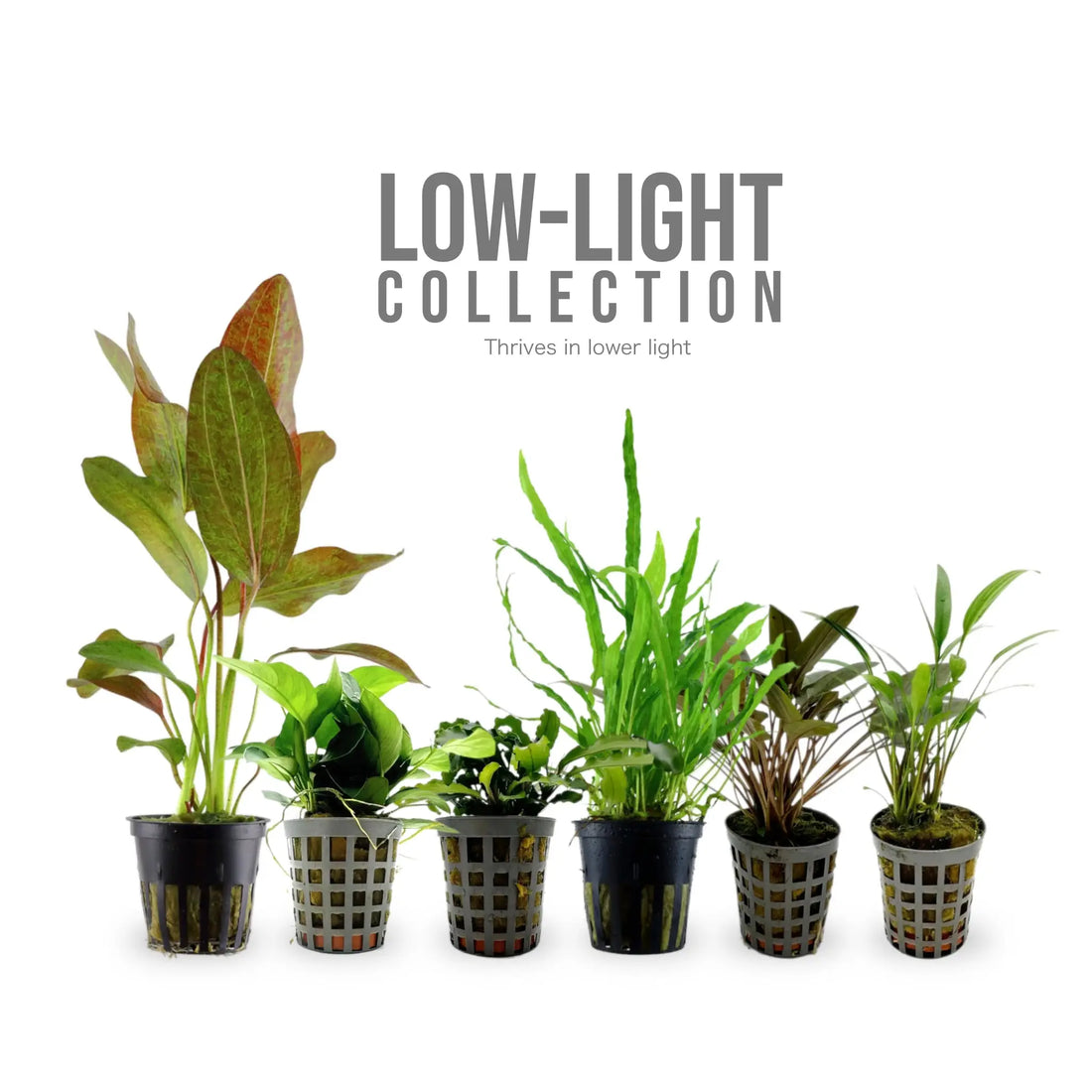
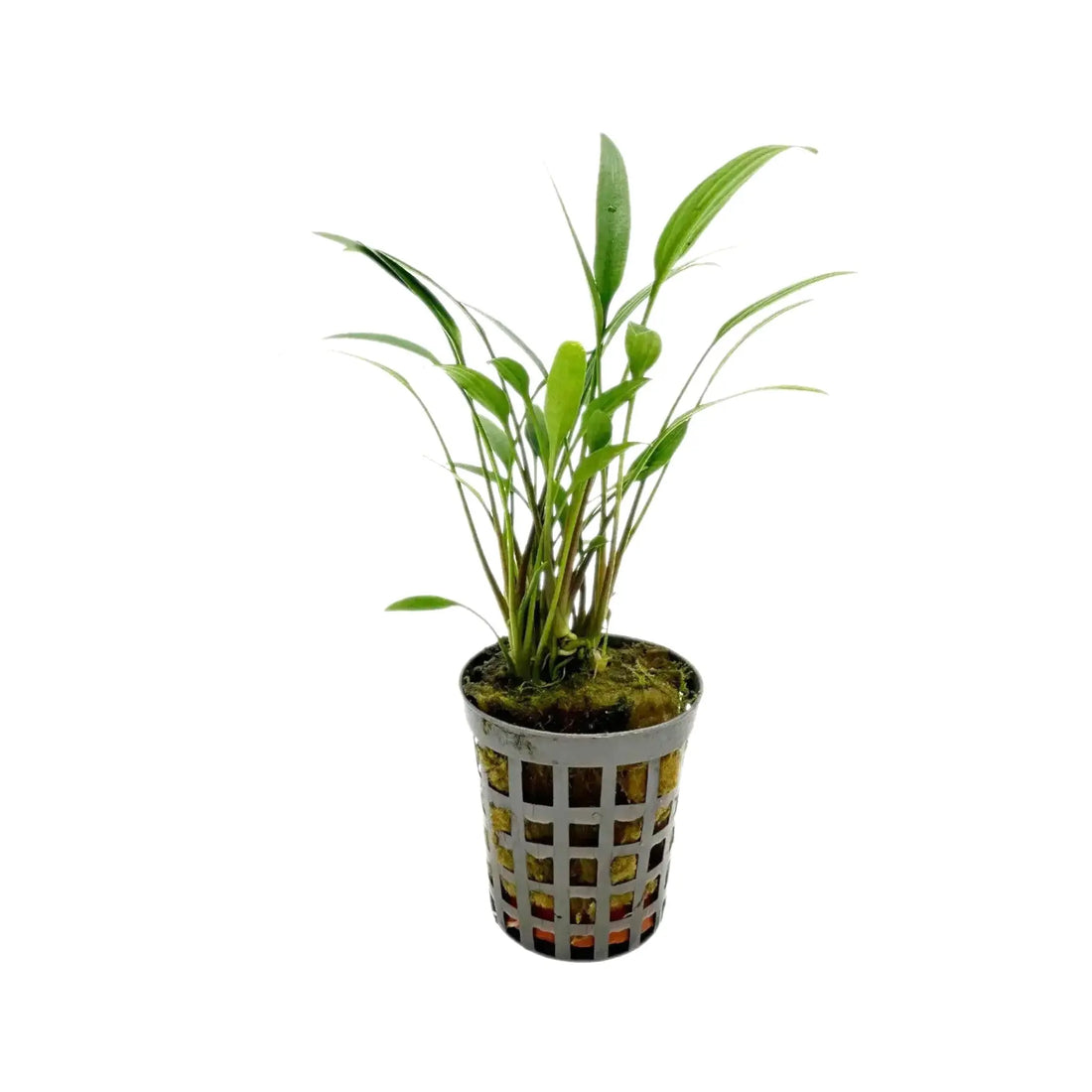

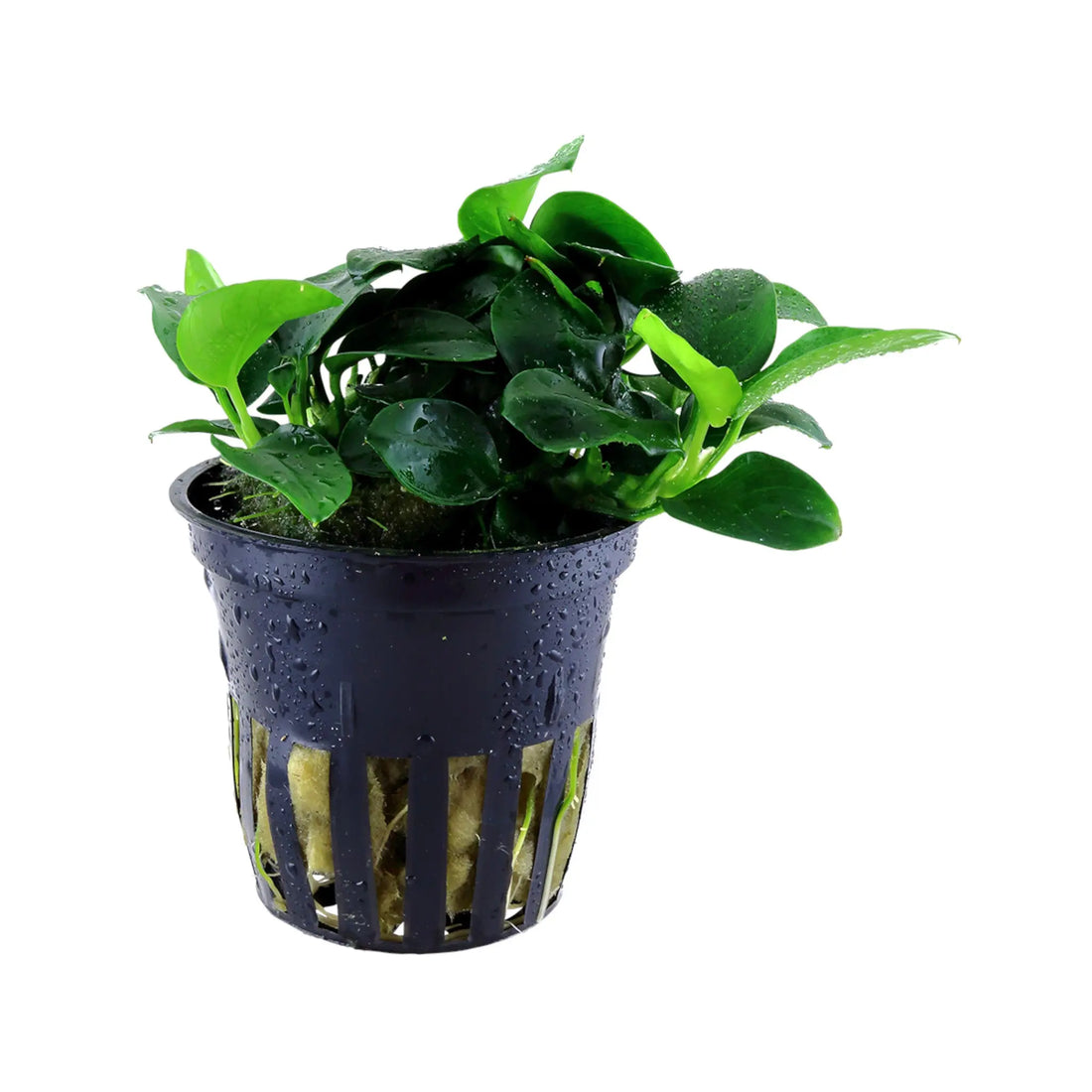

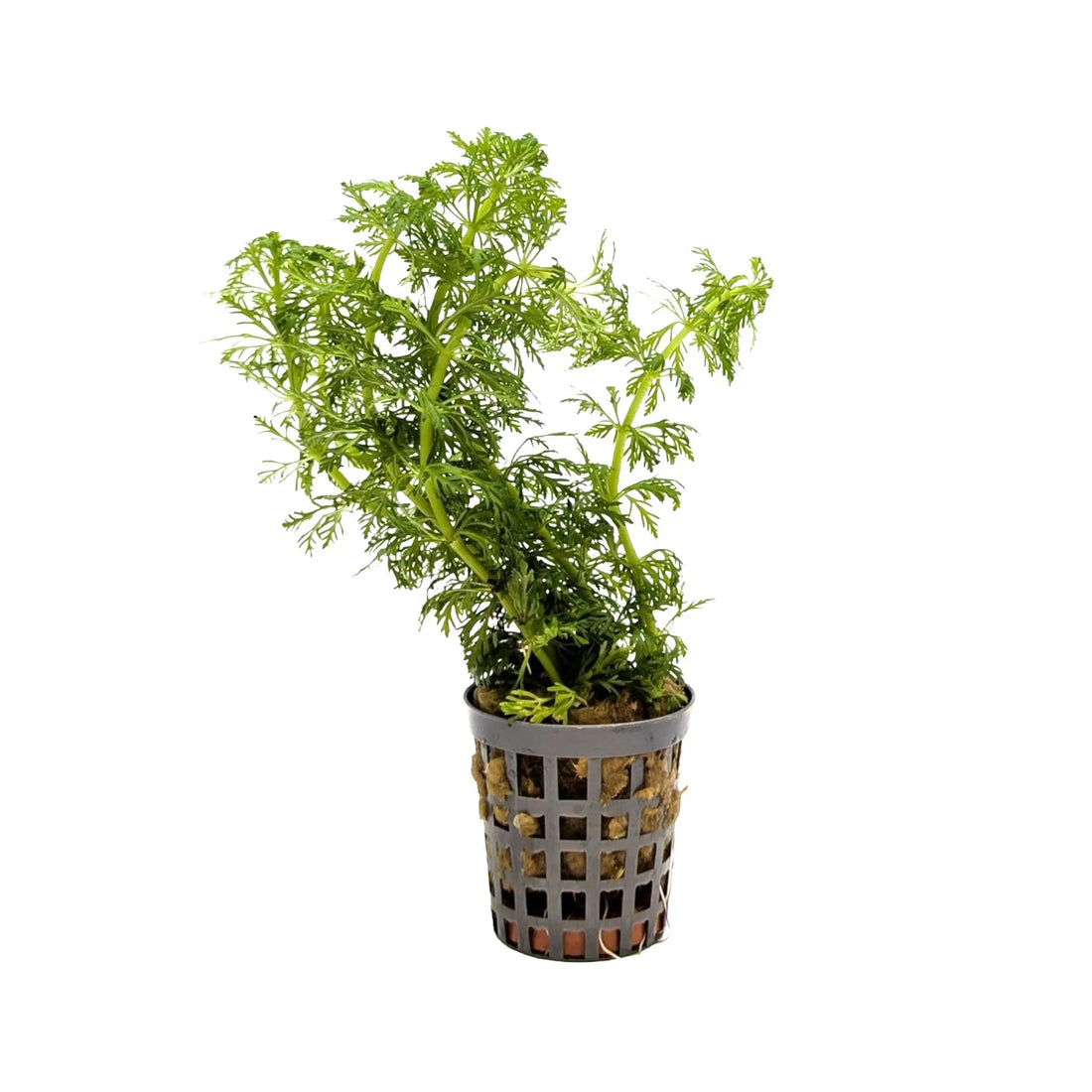
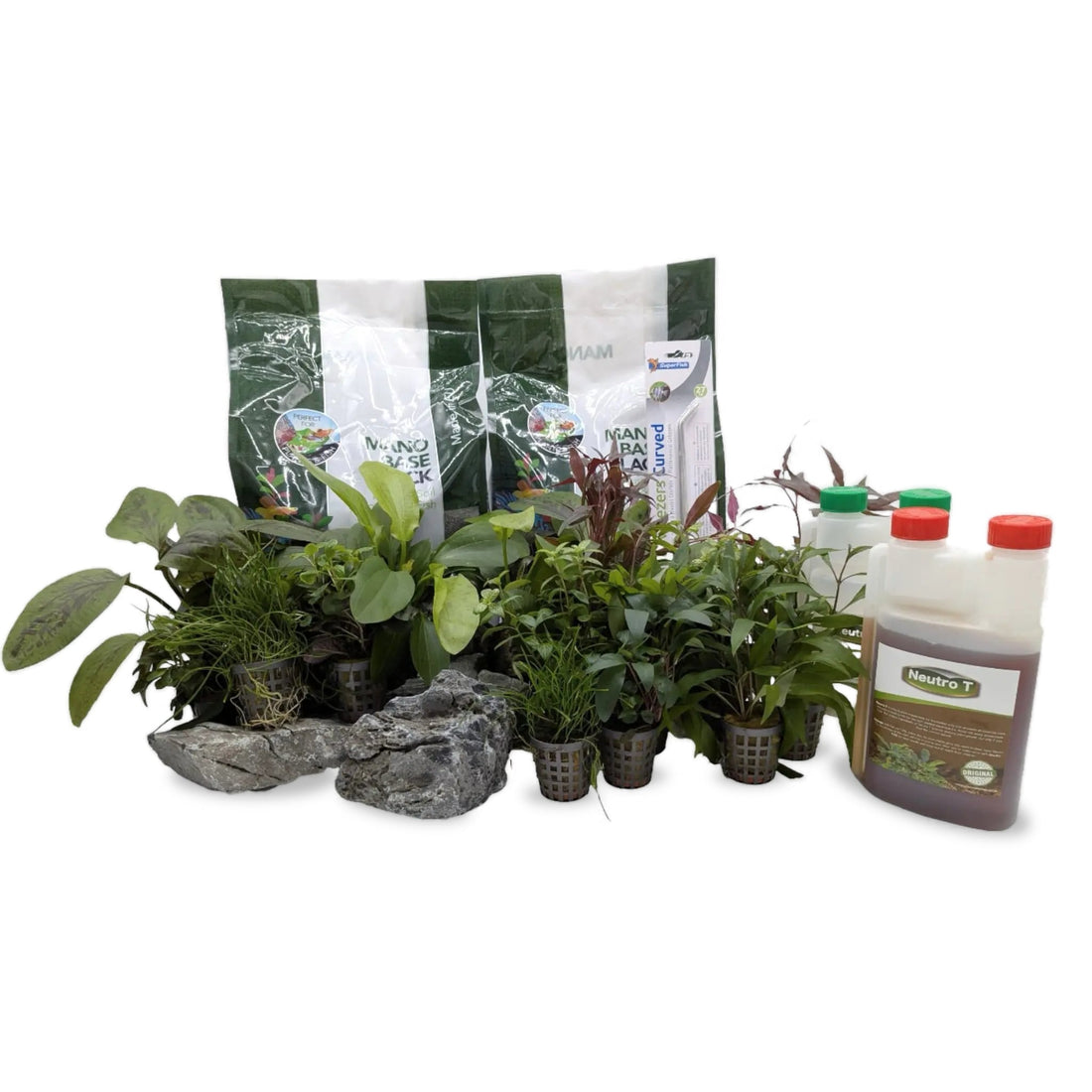
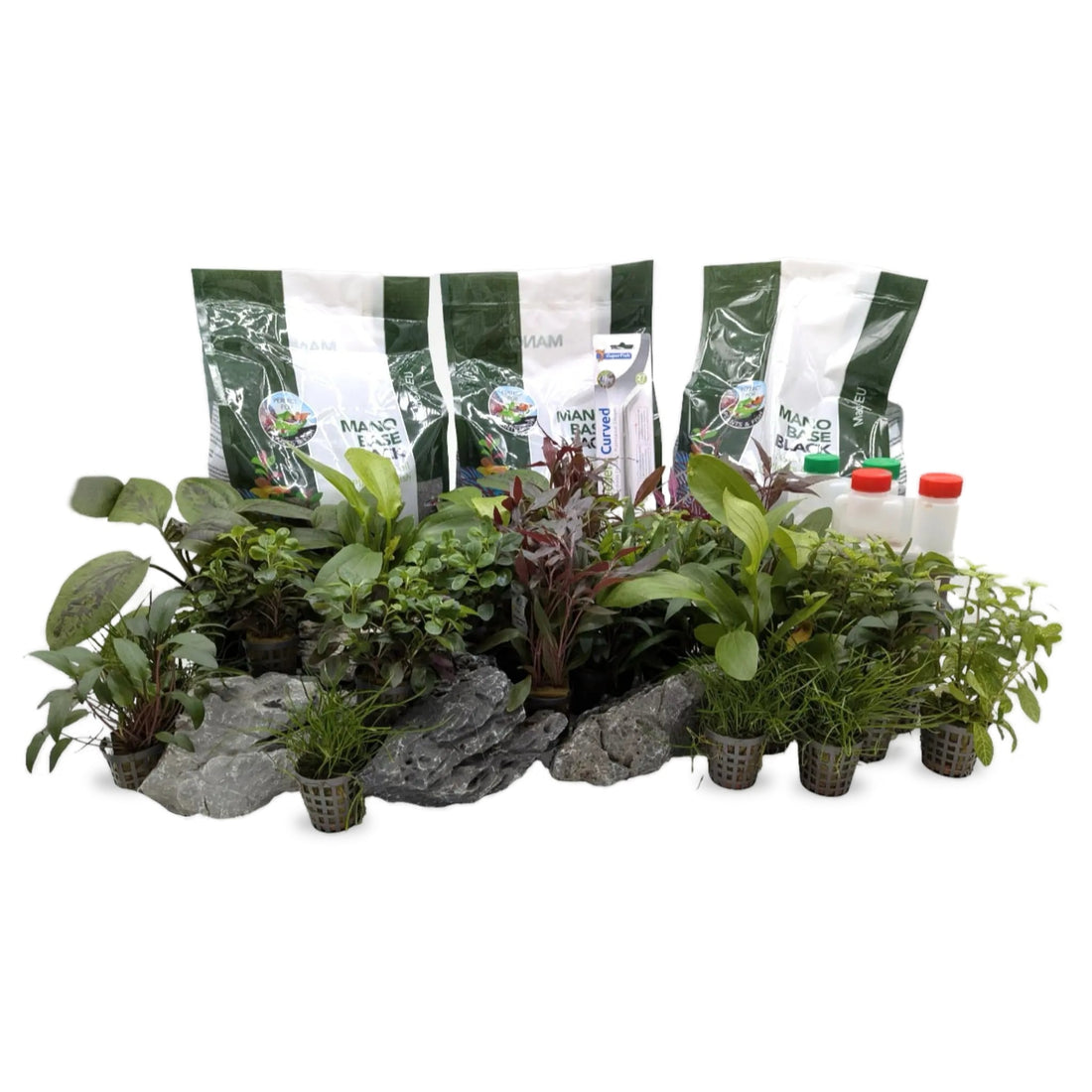
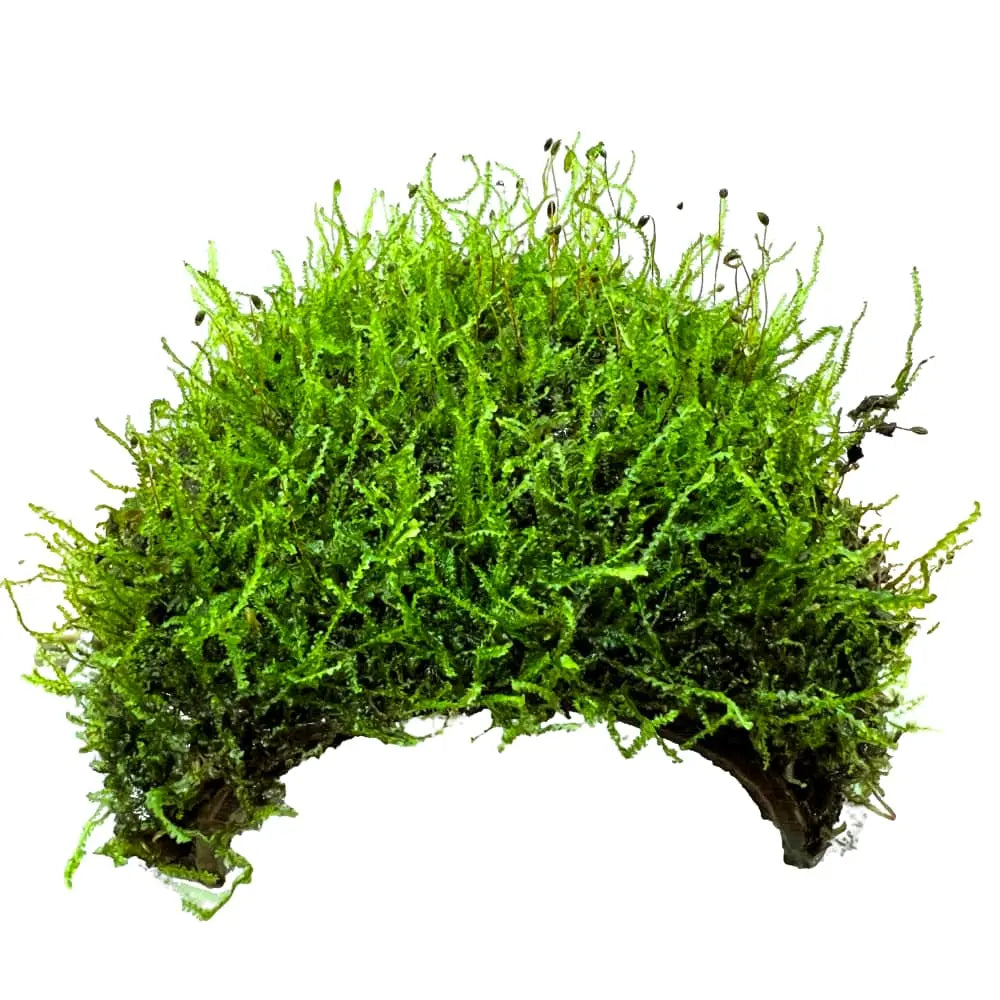
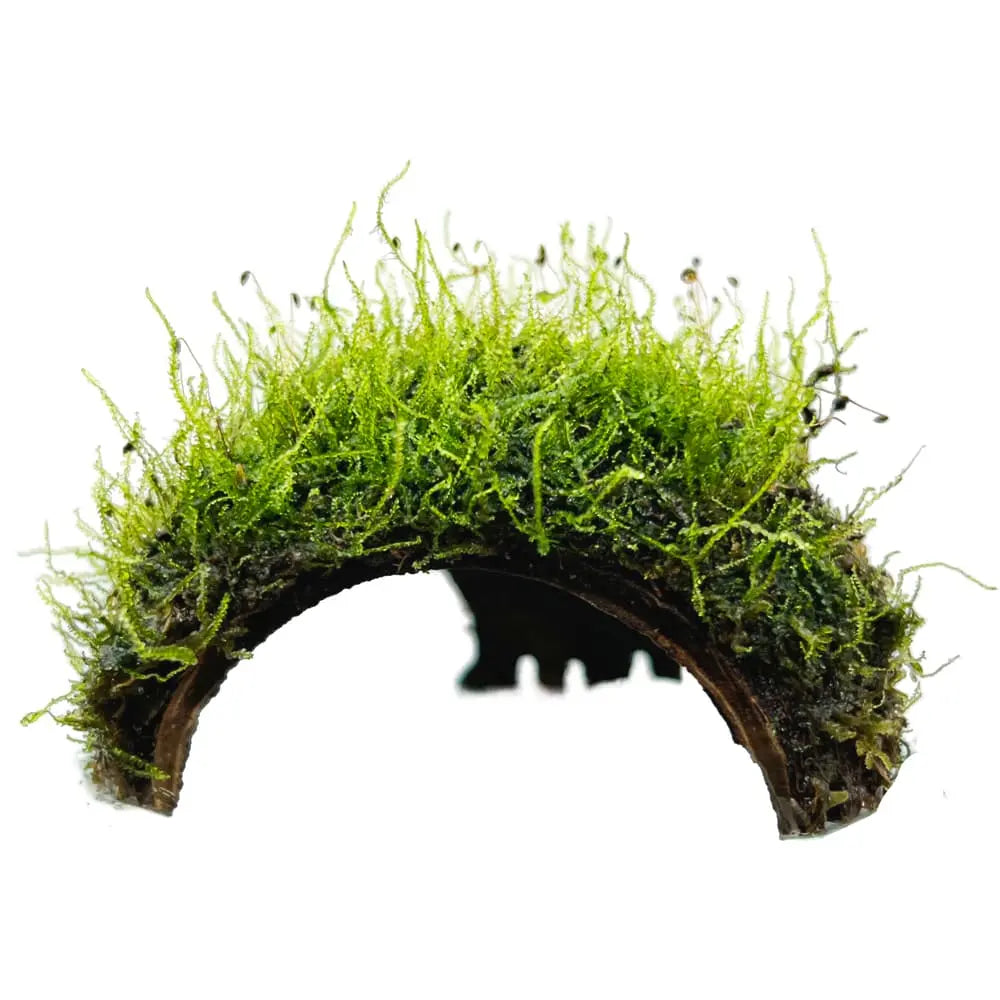
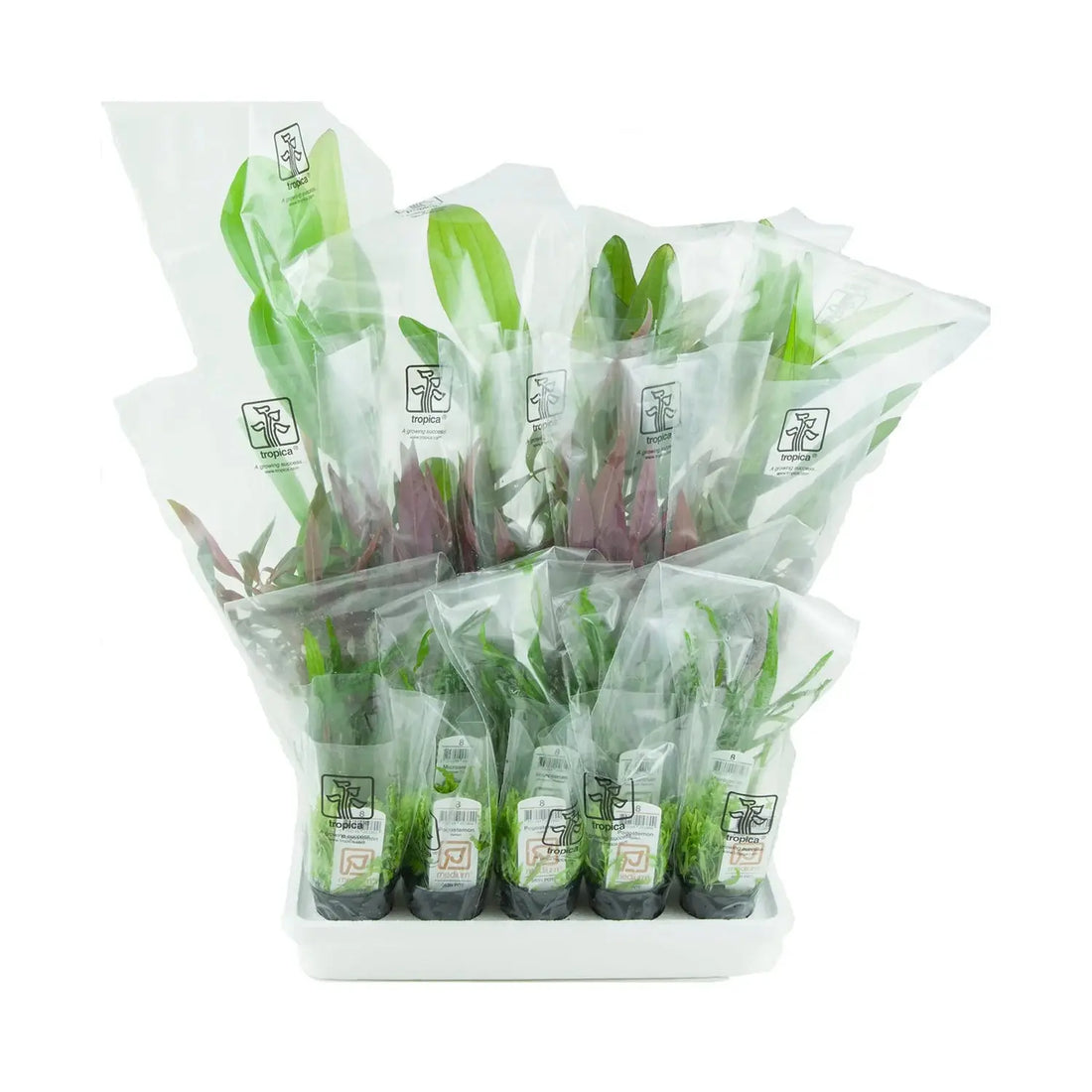
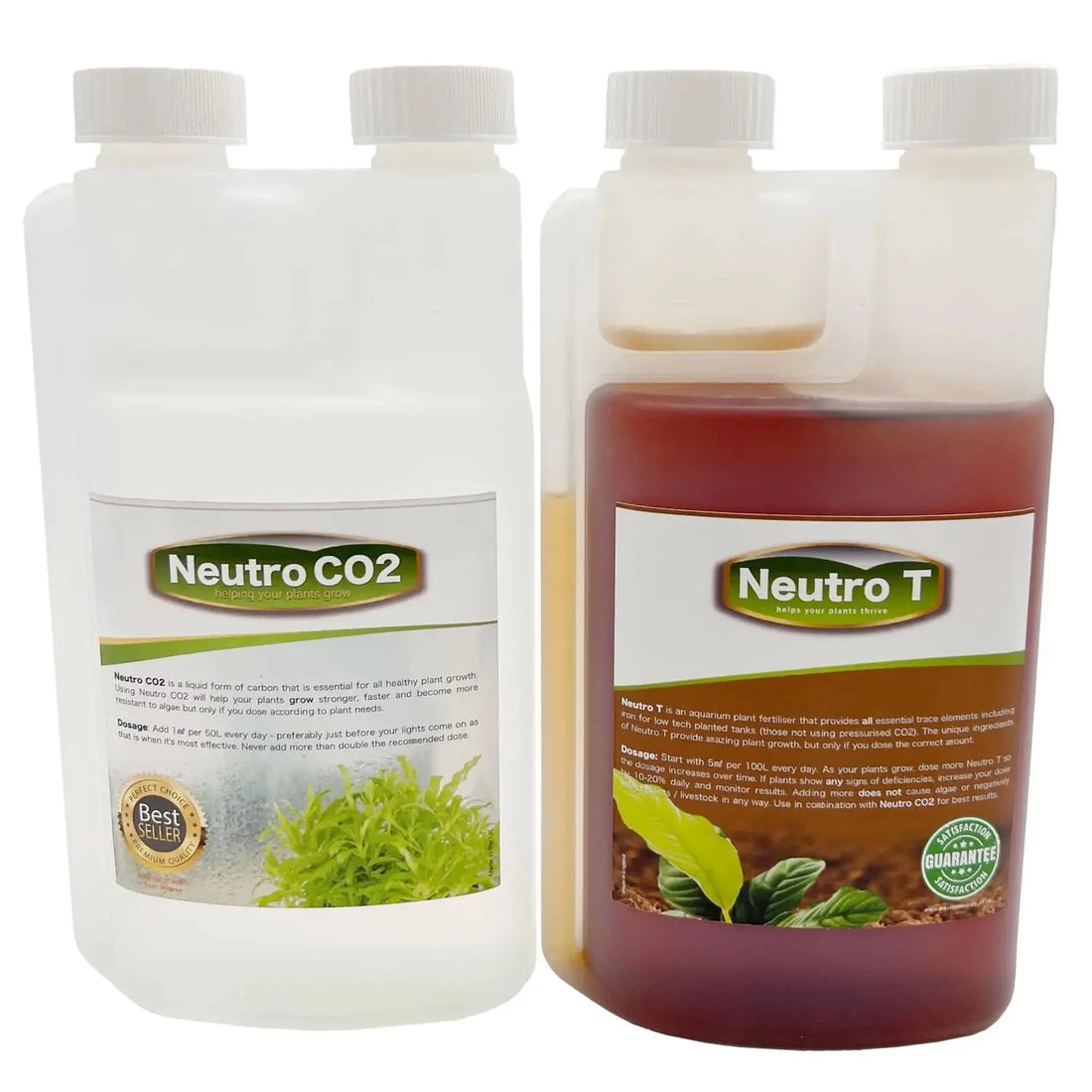
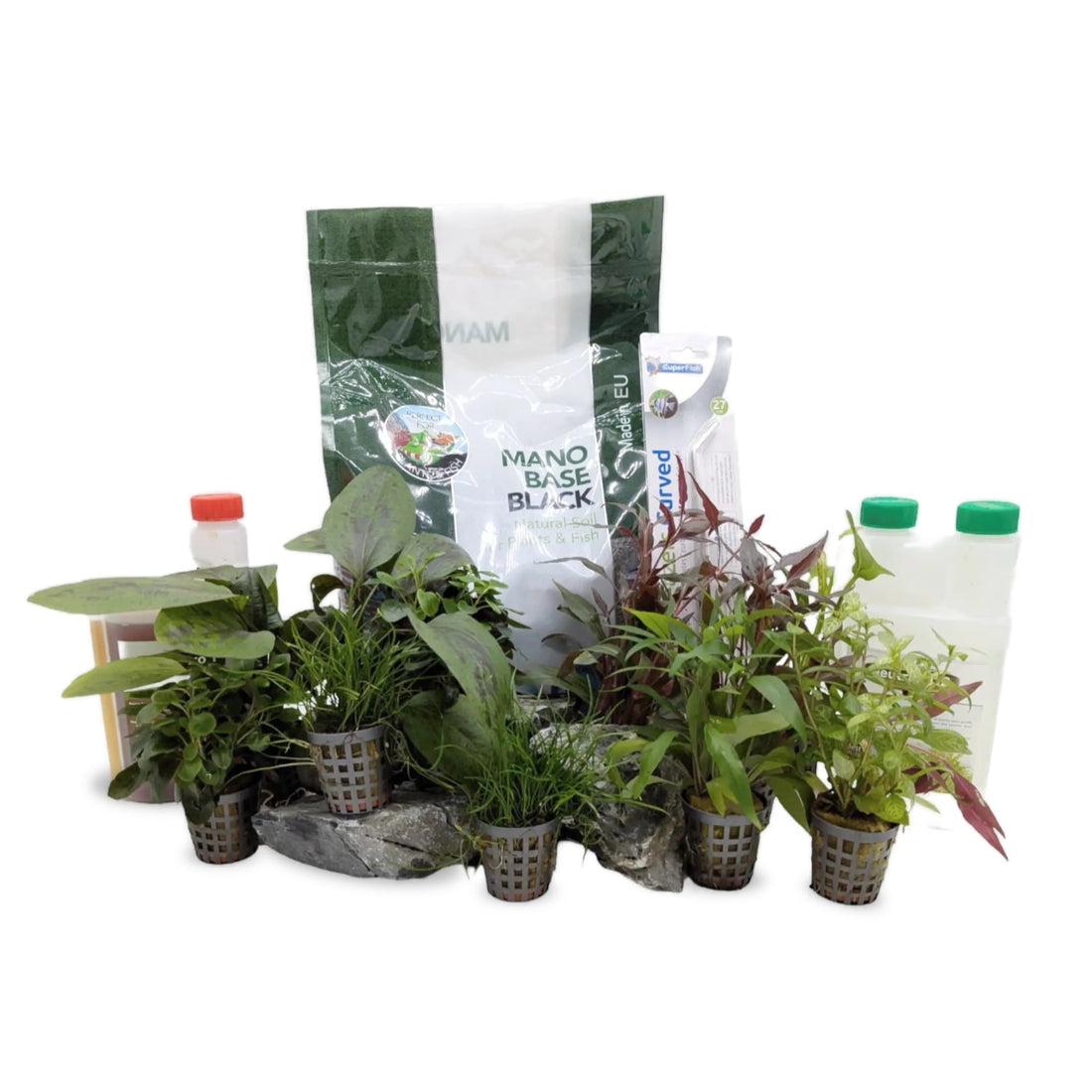
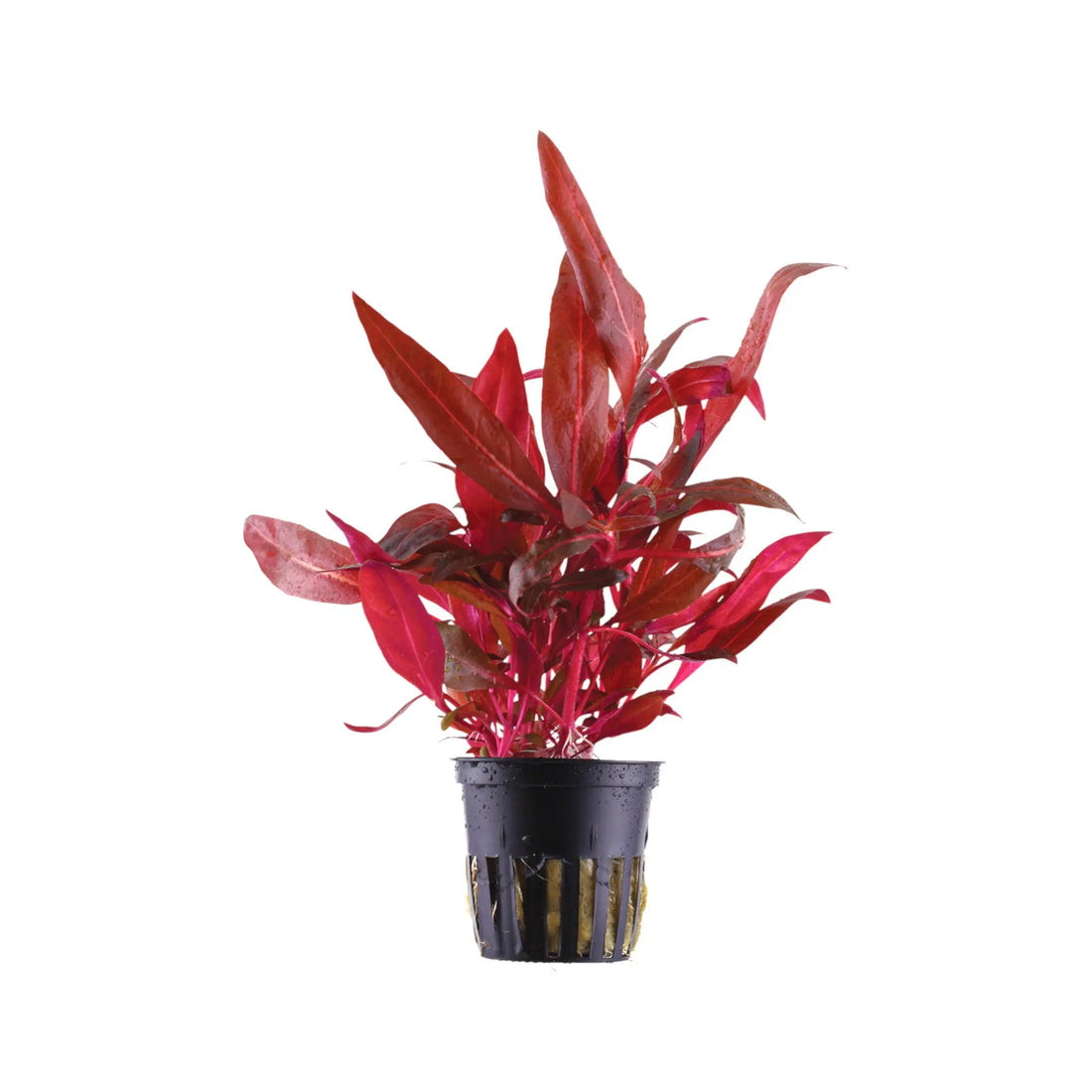
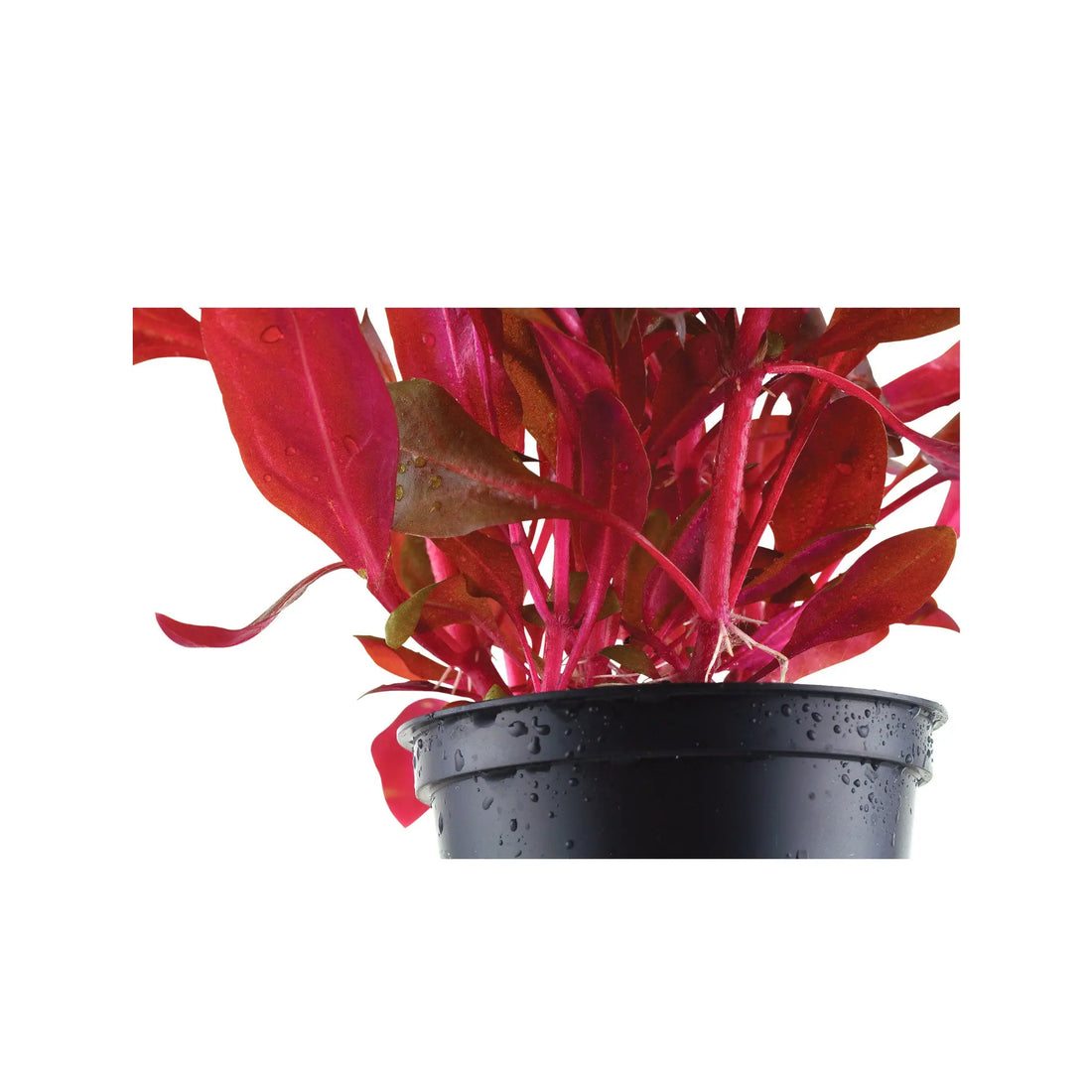
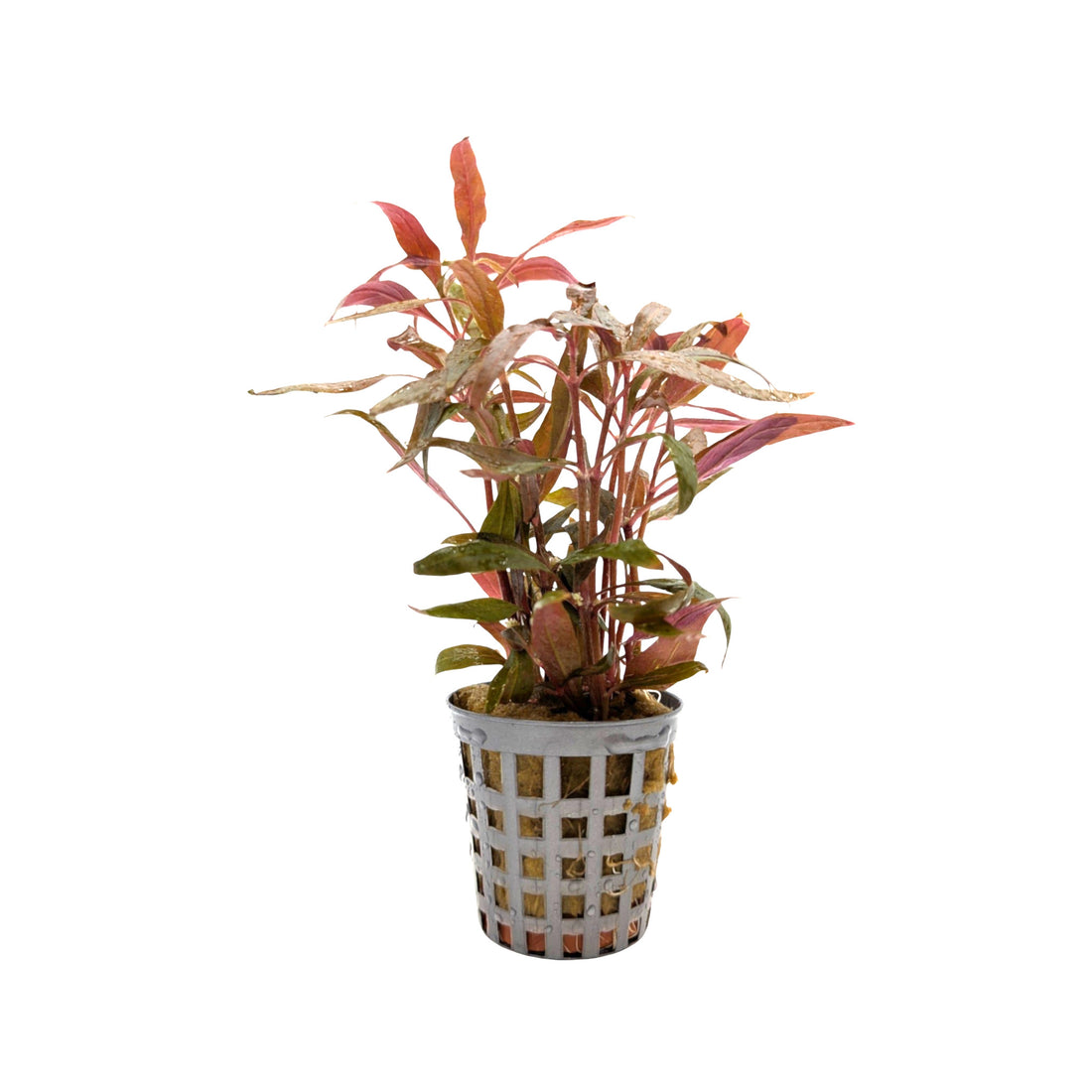
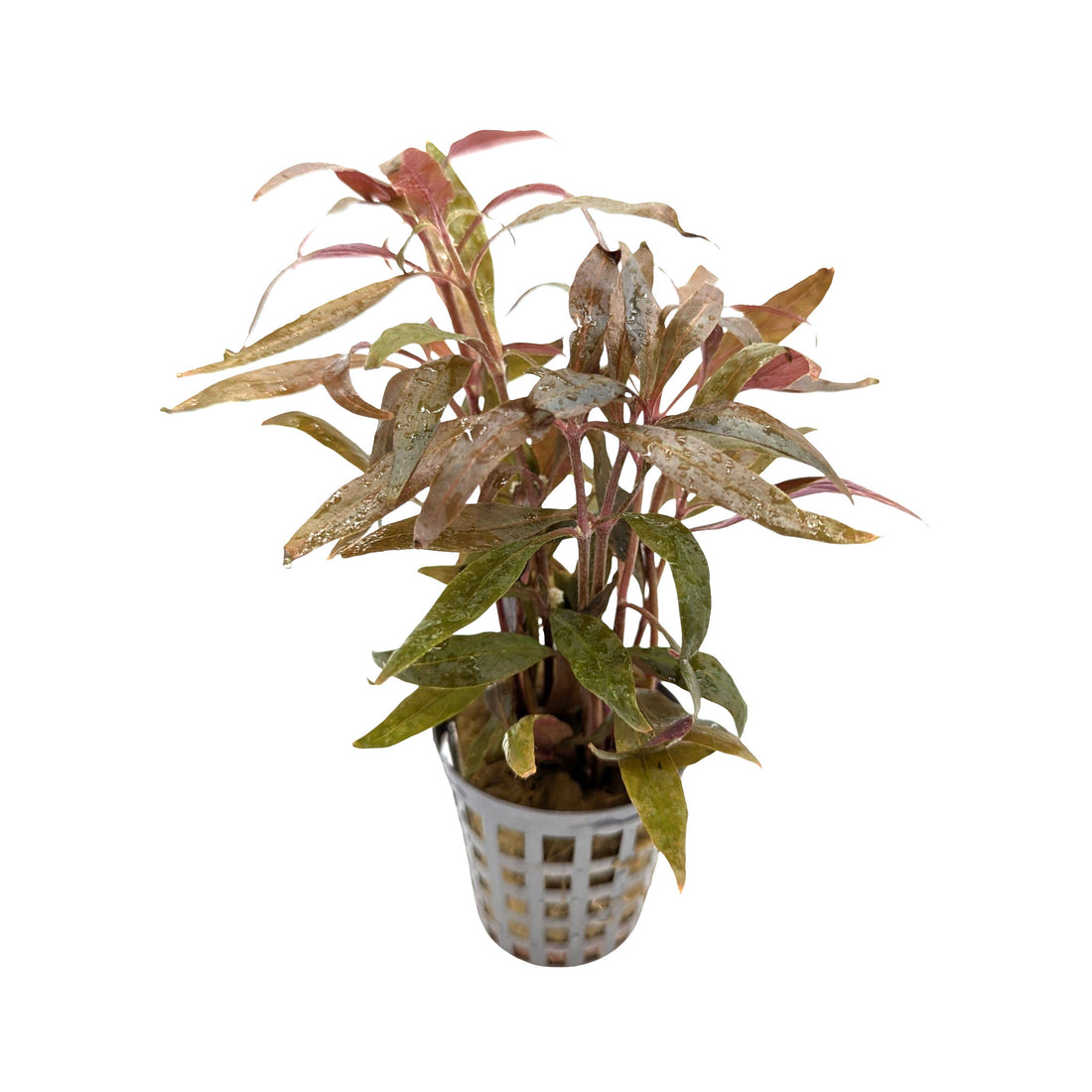
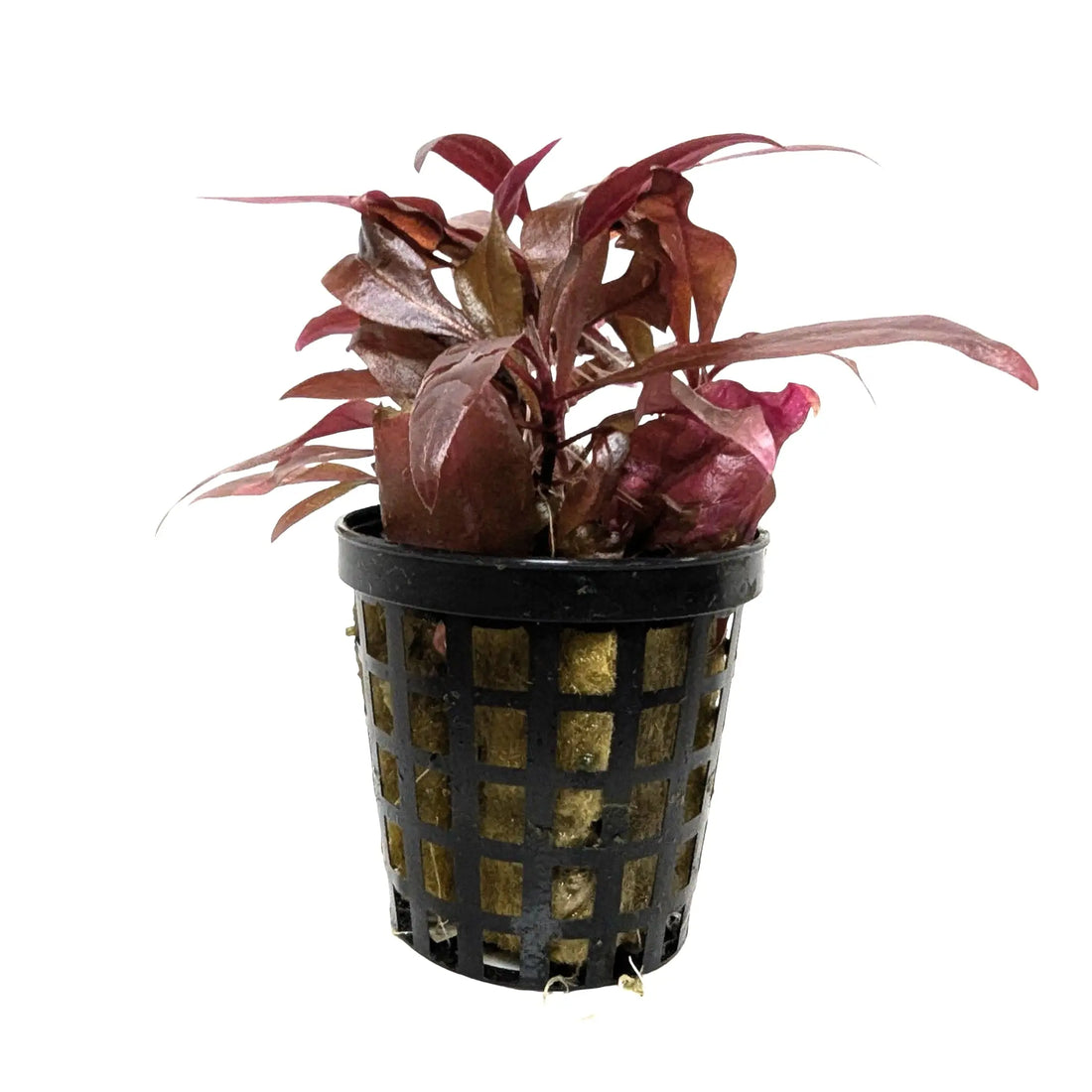
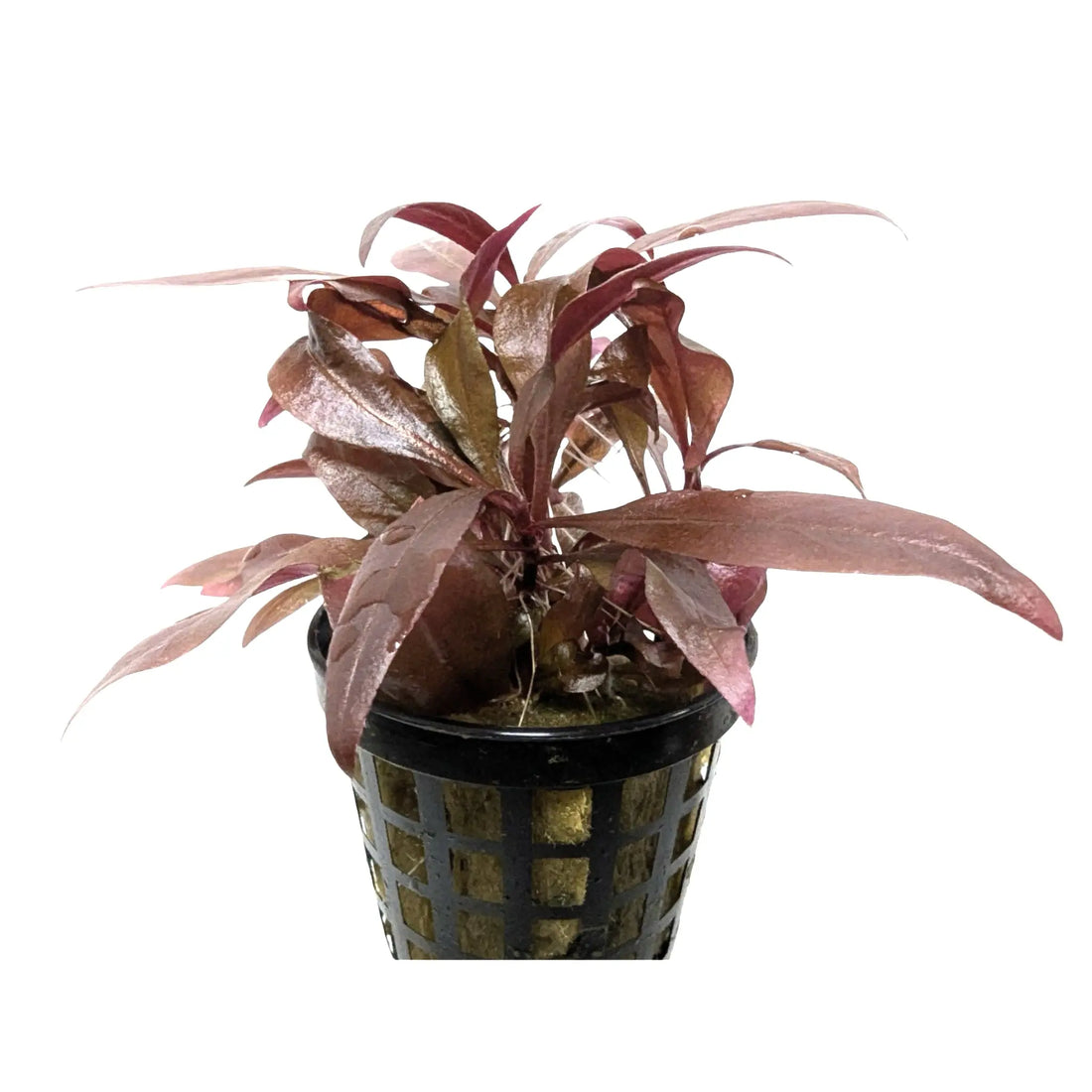
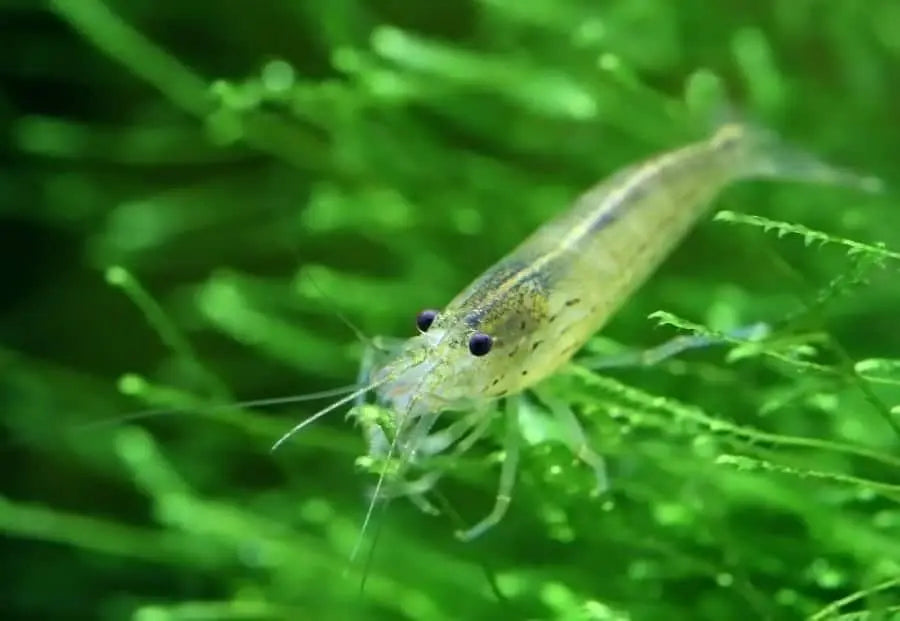
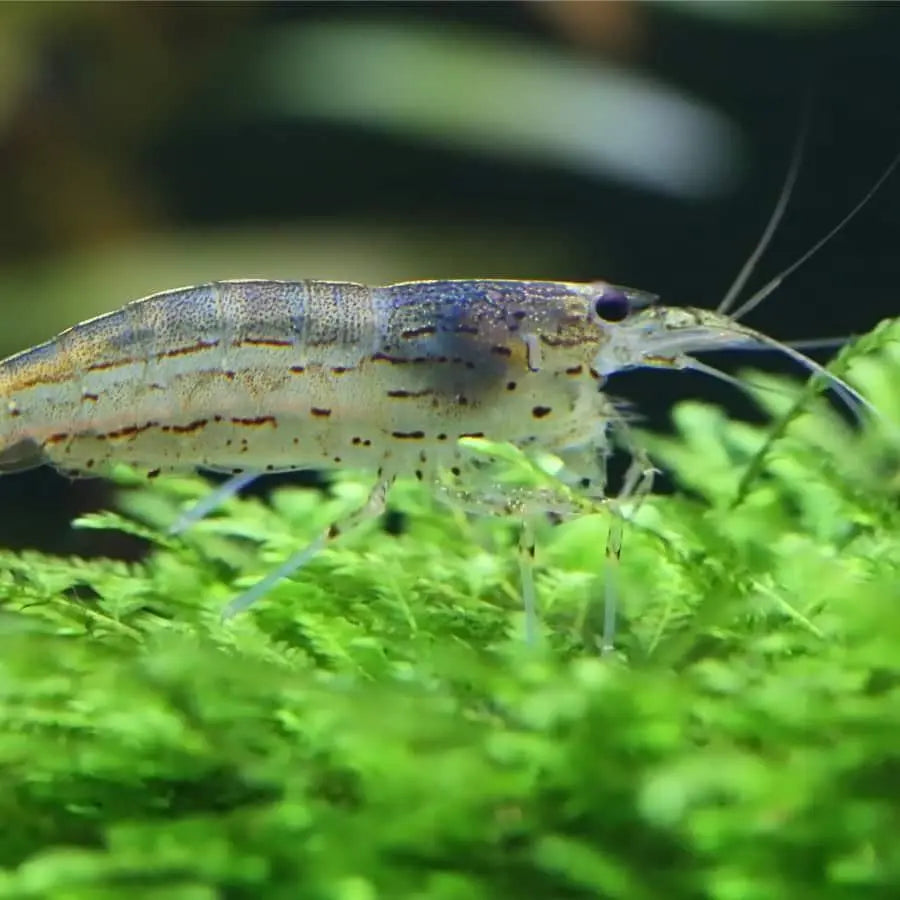
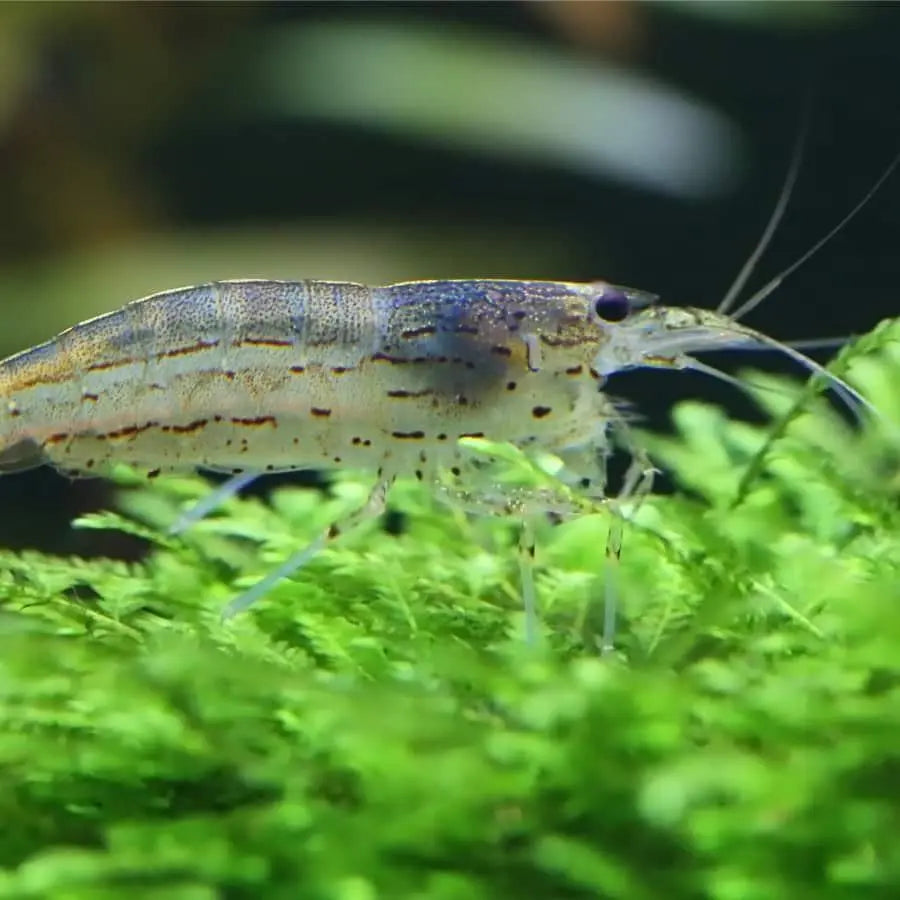
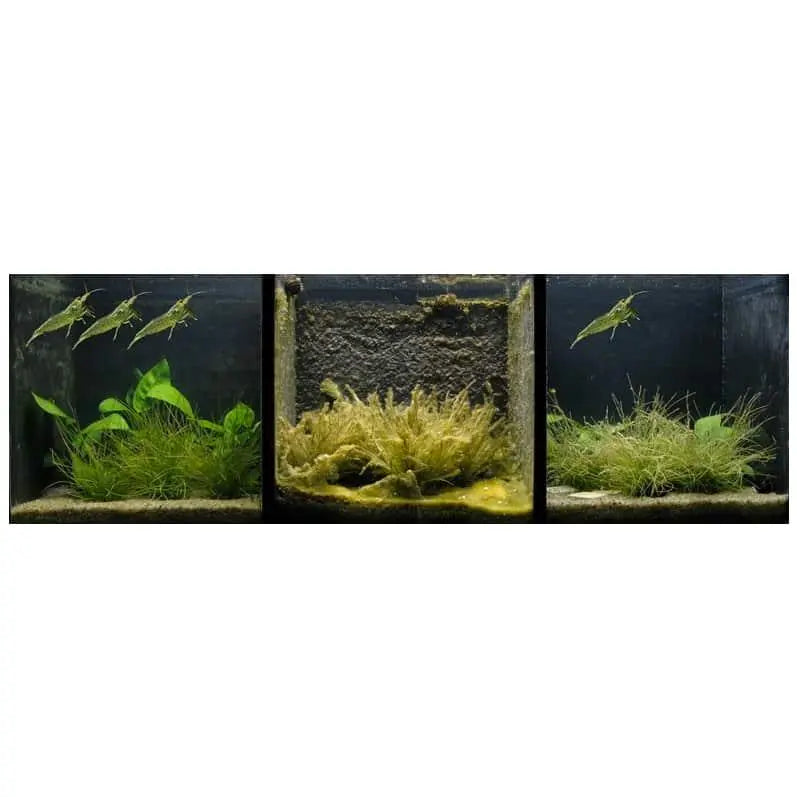
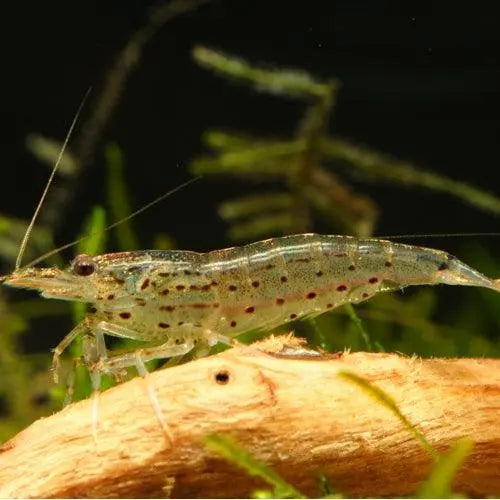
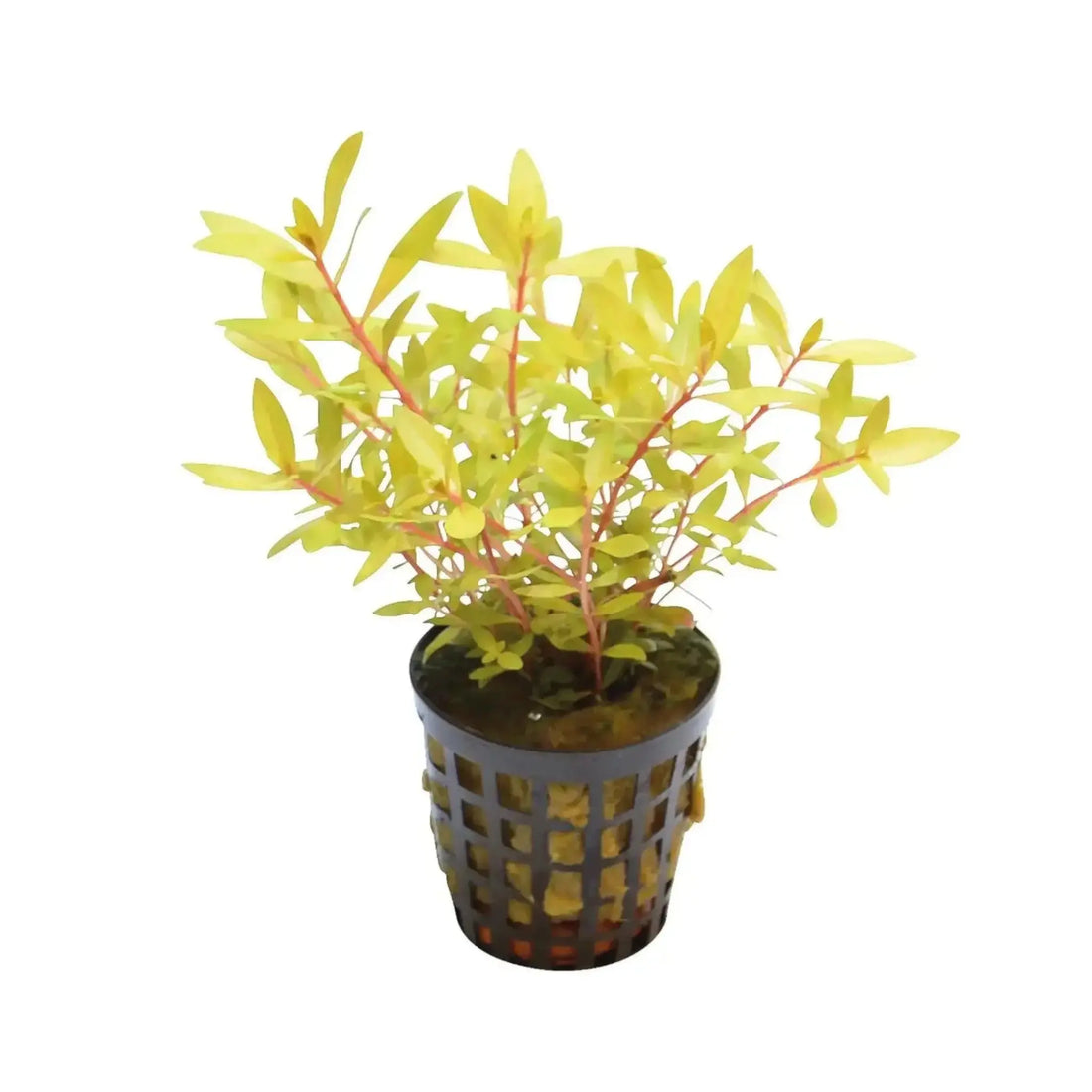
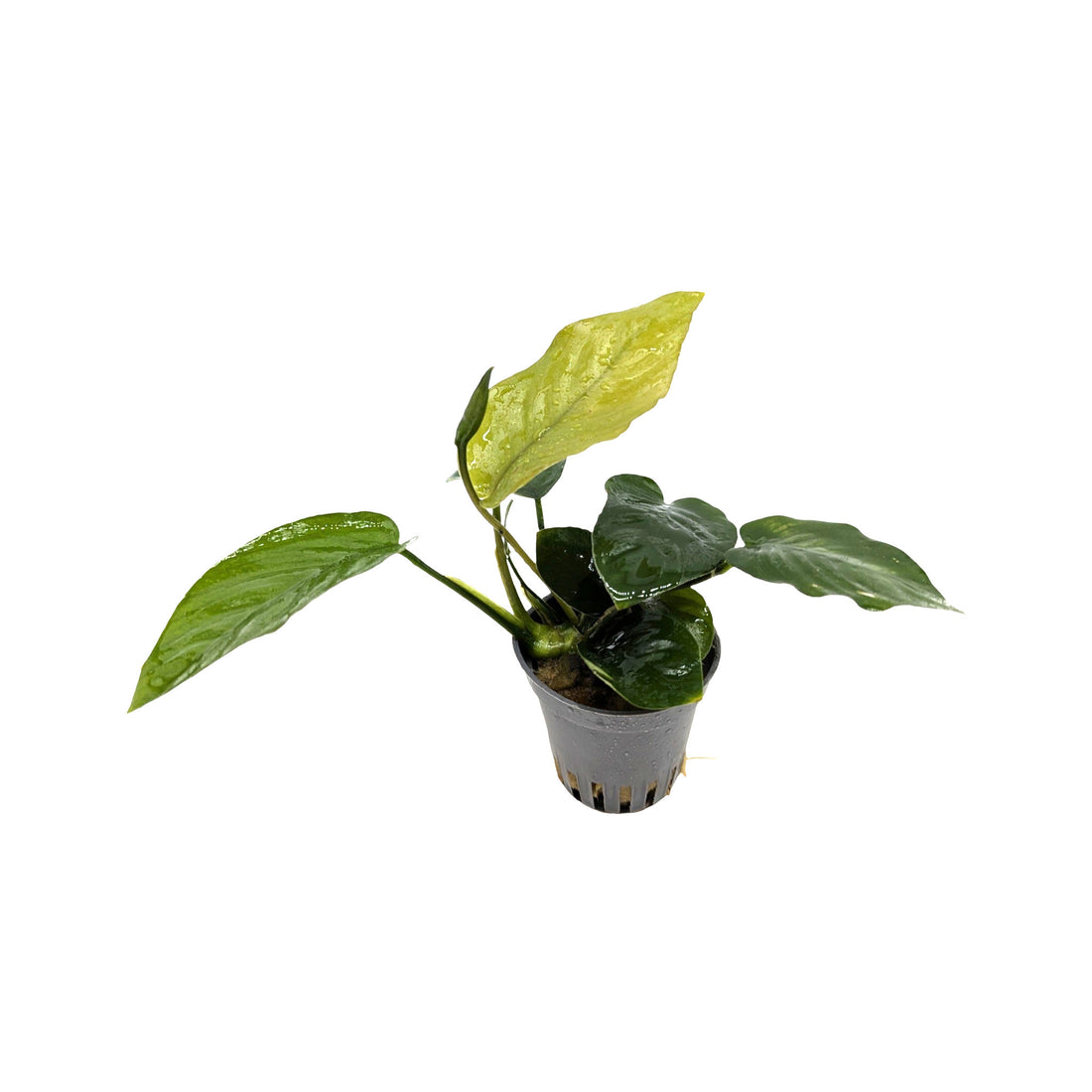
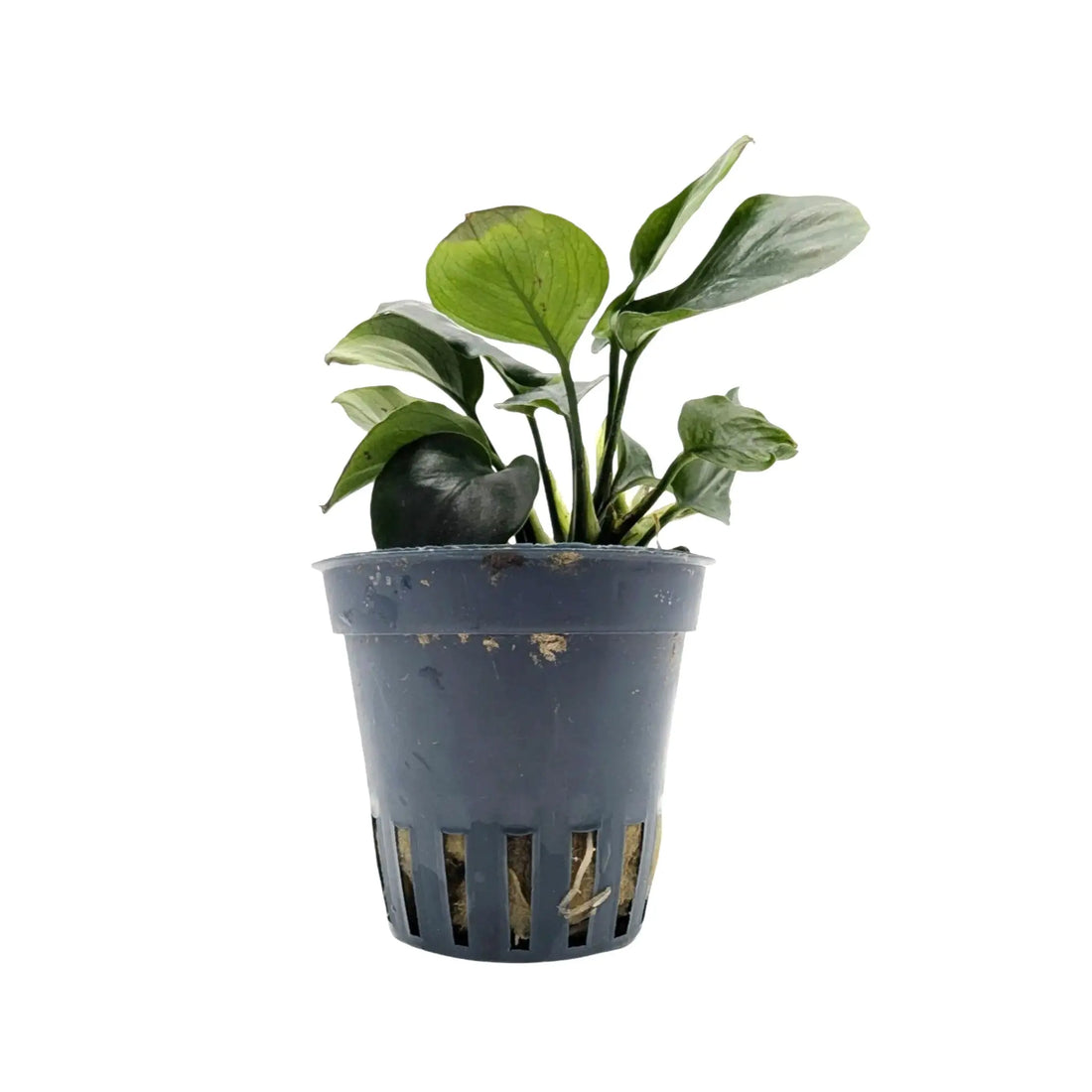
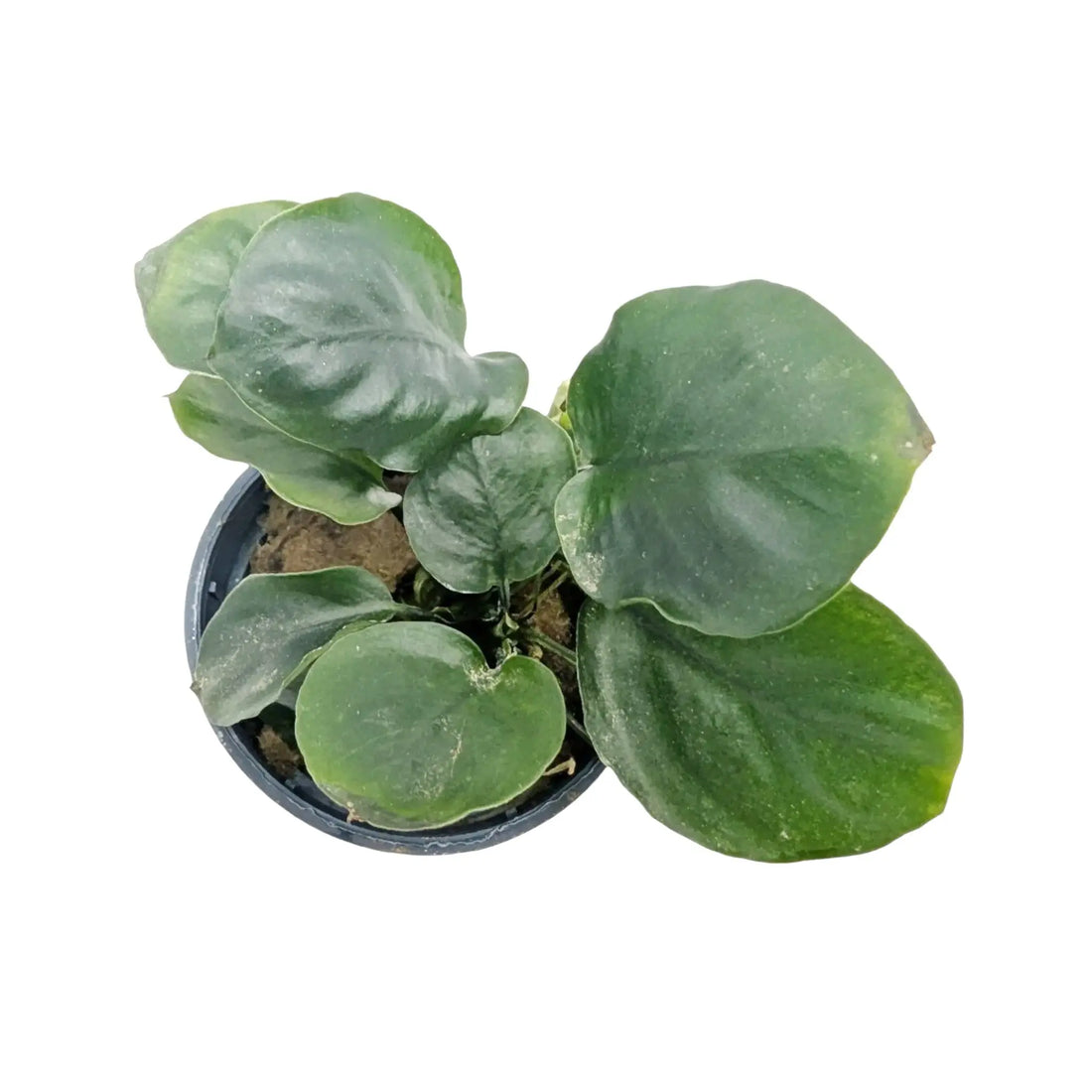
Clean your substrate and glass at the same time!

This is the sort of tool that we like to see here at Aqua Essentials, something that does more than one job at a time. With planted aquariums, water changes are an absolute must and they need to be done in reasonably large volume too (especially if you are running CO2 where weekly 50% water changes are not unusual). Most of you will be using all sorts of devices to remove water from your tank but have you seen one that cleans glass at the same time?

Introducing you the Superfish Gravel and Glass Cleaner. So how does it work? The gravel cleaner itself is no different from the standard type but it’s the fitting on the end which is unique. It has a flat edge to it which means that you can scrape any algae off your glass at the same time as performing a water change. This will really save you time as you will be doing 2 jobs at the same time. Not only that but the sieve on the cleaner means that if you do suck any gravel or substrate up by mistake, it won’t go very far. Soon as the water pressure if released, so will be the gravel.

This piece of equipment can be used on any sized aquarium from 50L and up and once you’ve tried it, you’ll wonder why it hadn’t been invented before!

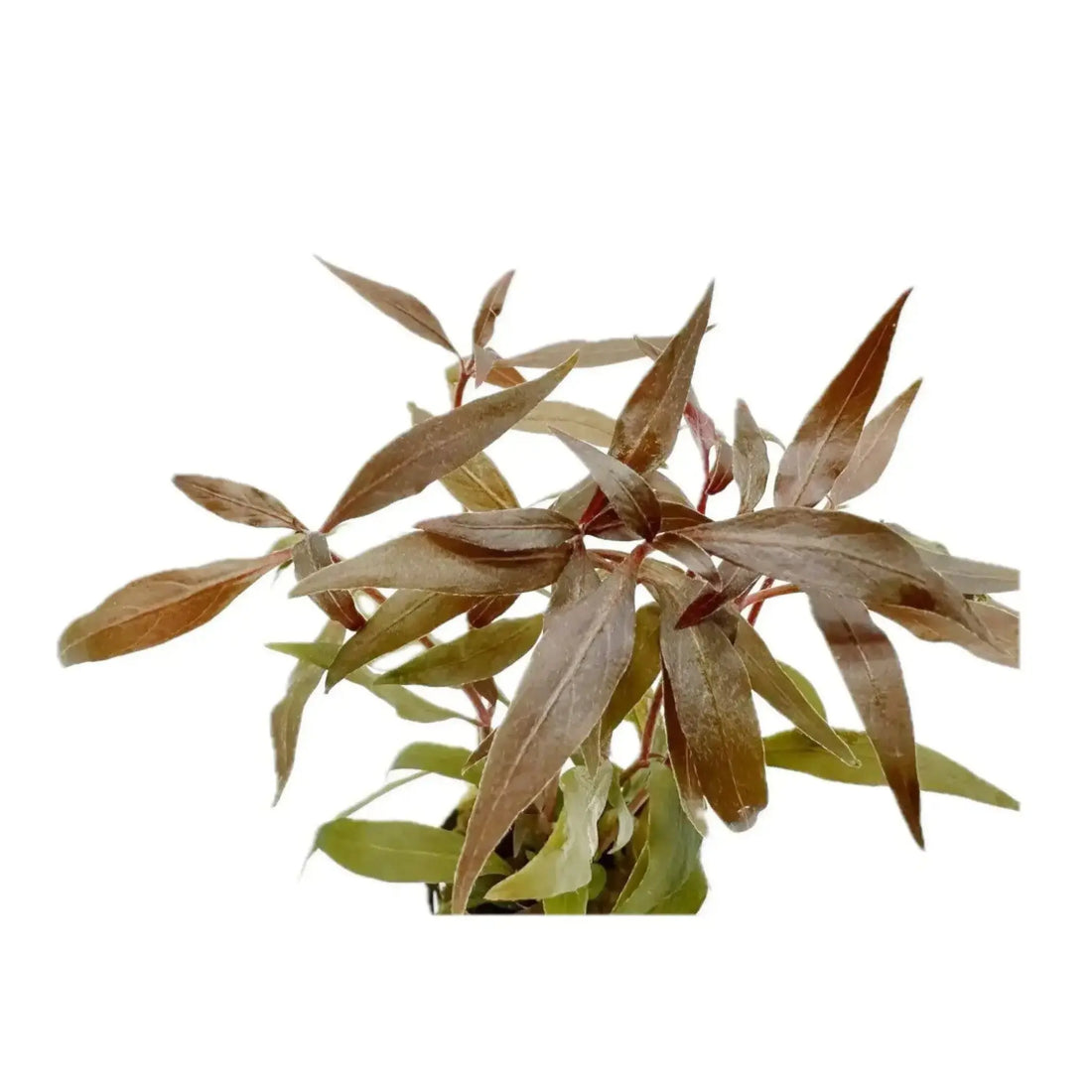
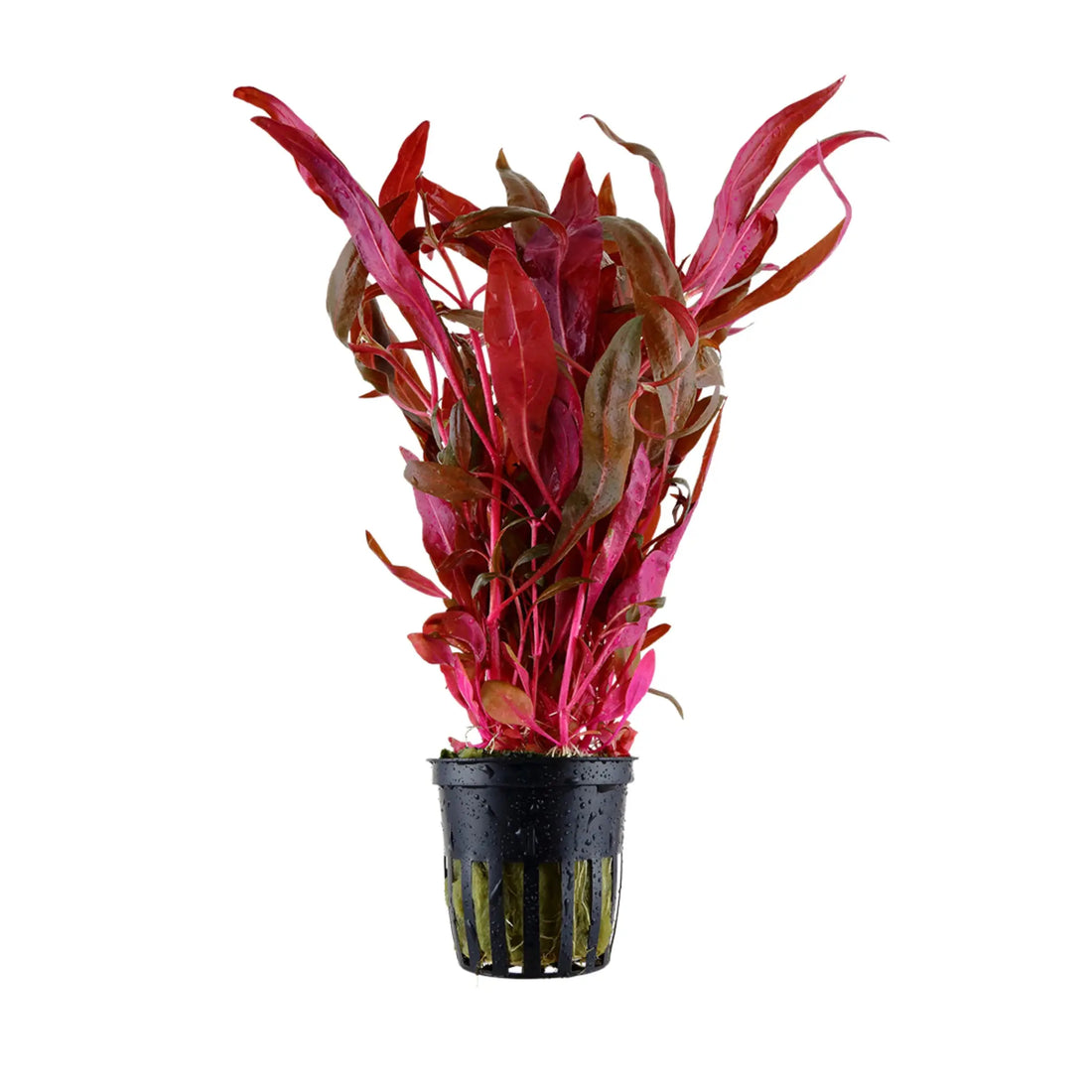
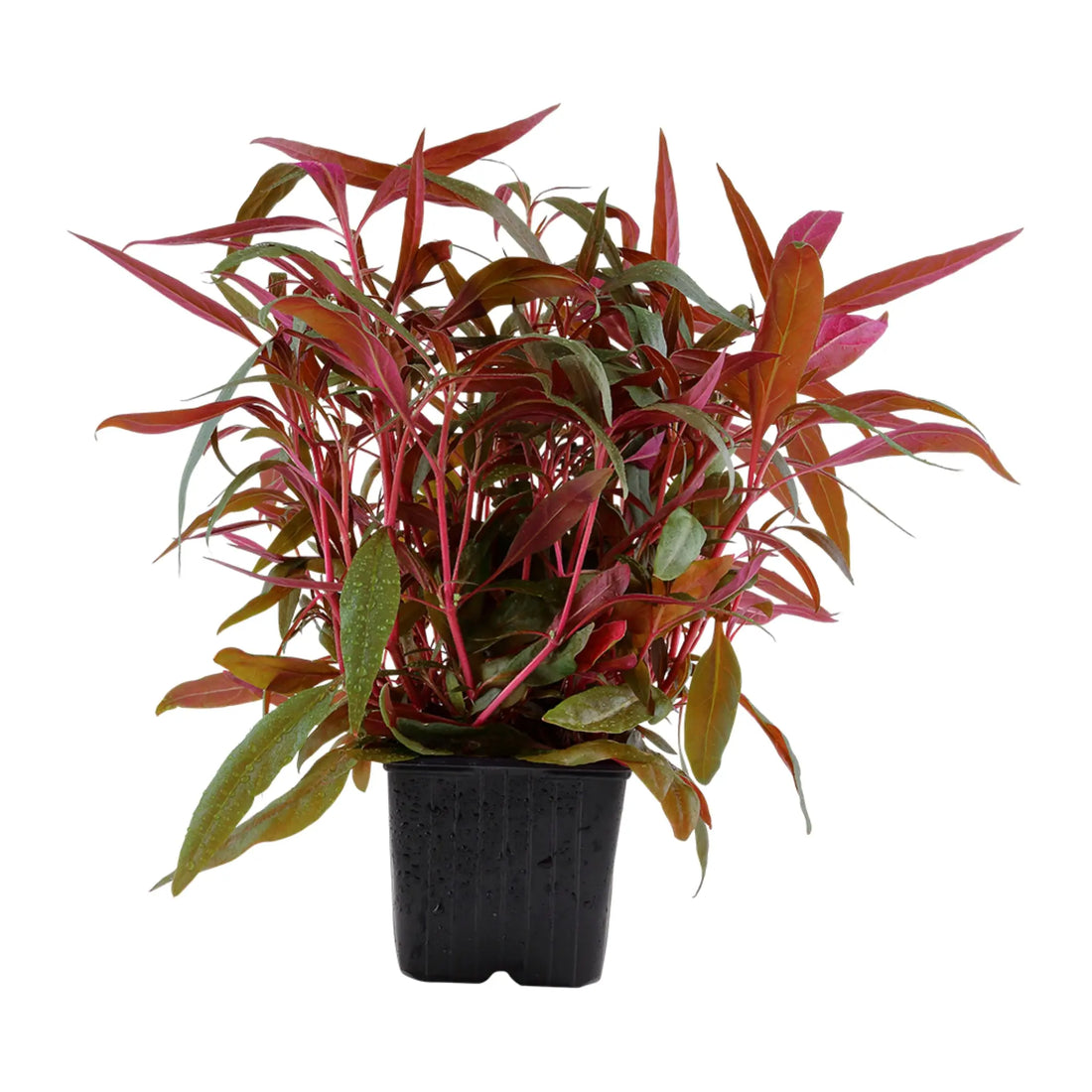
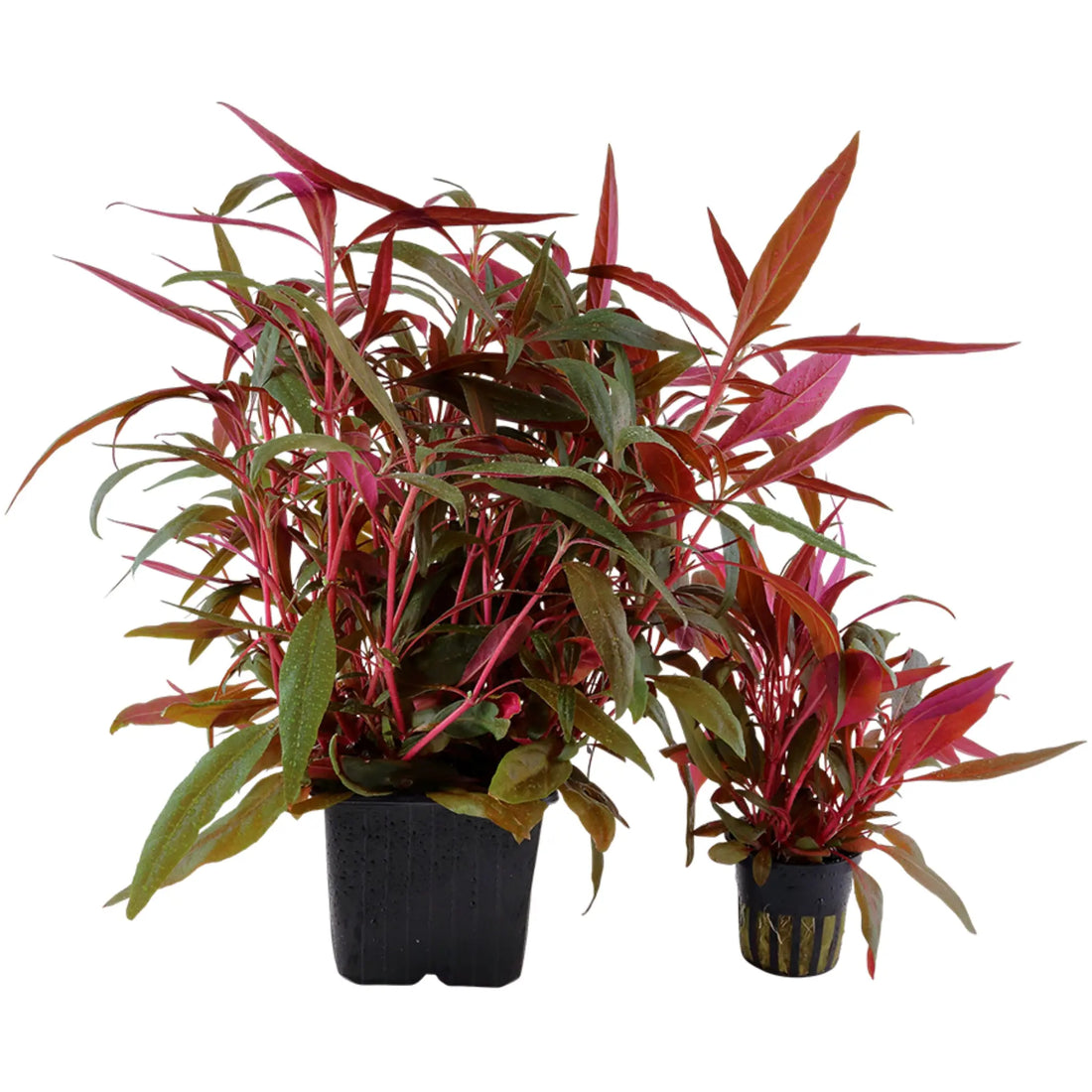
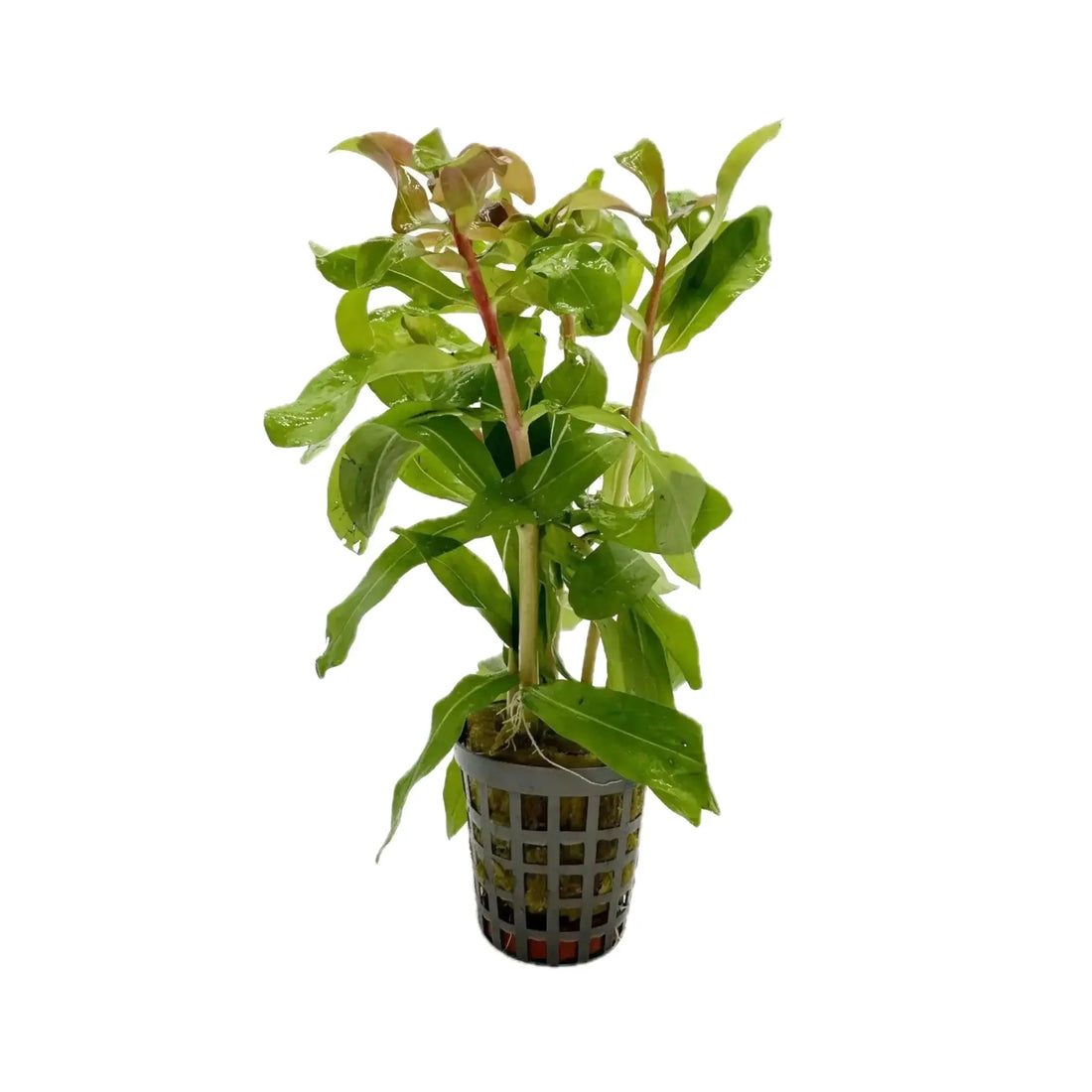
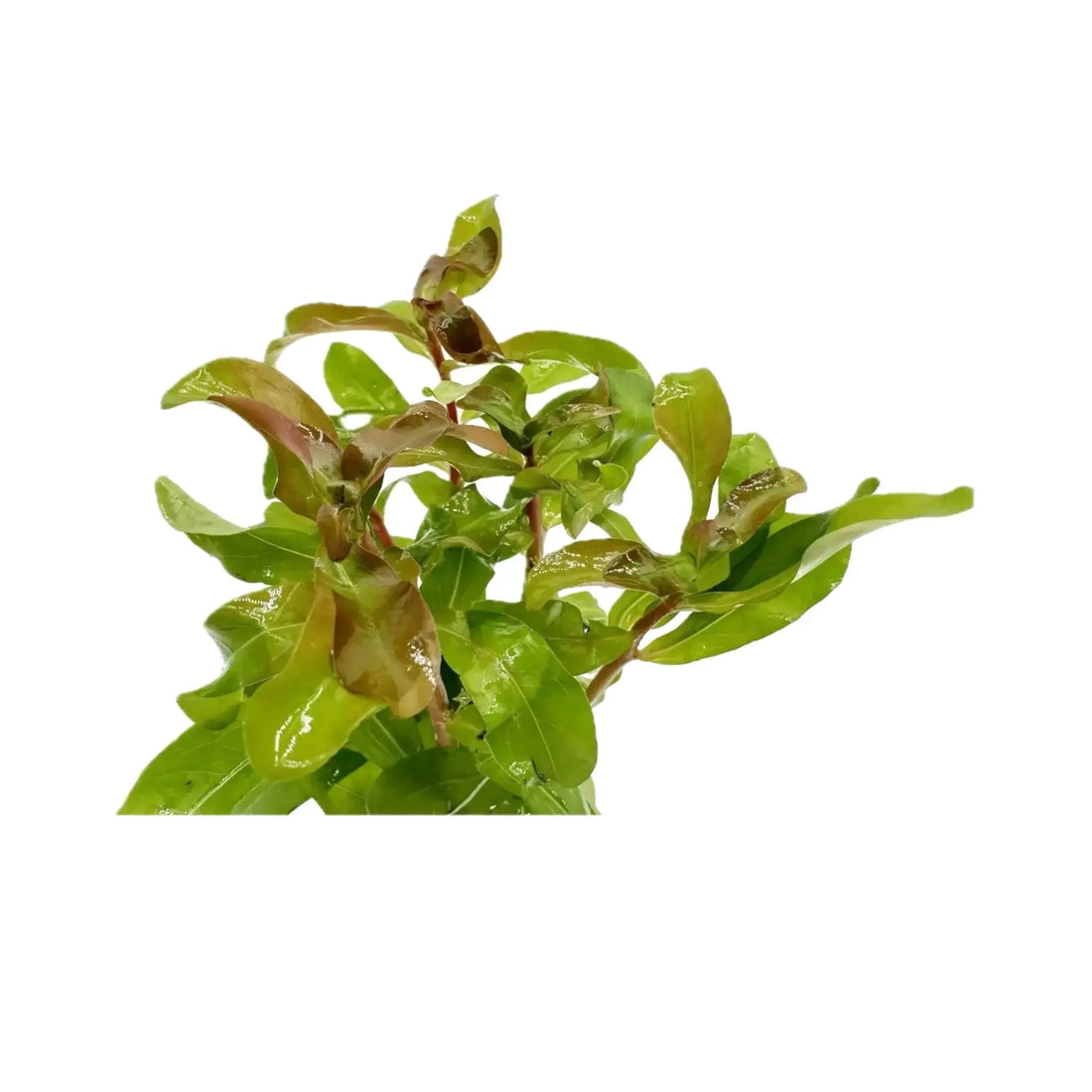
Limnophilia Aromatica – a stunning aquatic plant

This has got to be one of my all time favourite plants, particularly now as it’s always in flower due to our new hydroponics set up. This plant really seems to be loving the conditions and what most hobbyists miss is the smell!! It’s absolutely lovely but sadly all this is lost once submerged :( In Vietnam the leaves are actually used as a spice and if you infuse it in hot water you can make yourself some rather tasty tea. If you purchase it from us, make sure you have a good smell first.

A stunning plant

You can clearly see from the picture above the type of flowers that come out when this plant is grown immersed. But as hobbyist grow this plant submersed, lets get onto some finer details about this plant and how to keep it.

Limnophilia Aromatica is not a difficult plant to keep but it does have a few pre-requisites that you must follow. It loves nutrients so plenty of macros (nitrates and phosphates), it’s also rather fond of CO2 so make sure you give plenty. If you plant in a decent substrate expect it to put down lots of roots and of course if it grows to the top of your aquarium, expect flowers. In order to keep this plant from becoming leggy, trim hard and then replant the trimmings into your substrate being careful that you don’t plant too close to each other. It won’t appreciate any shadows and this is main reason why it prefers bright lighting.

Place Limnophilia Aromatica at the background of your aquarium as it grows fast and tall – expect 50cm easily but you can of course reduce this by heavy trimming. Like most stem plants they always look better together so when investing in this plant choose 3 pots or more for the most dramatic of effects. Planting it behind rocks is often a clever way to give real impact, especially with the colour transformation this plant will go through when it’s happy growing underwater.

CO2 Solenoid Valve For Planted Aquariums

If you’re running a high tech CO2 tank, this means you already have pressurised gas. Your choice so far has been excellent because the merits of running CO2 far outweigh the negatives, particularly if you are after lushous plant growth. Plants really need CO2 in order to flourish.

But not everyone who runs CO2 actually has a solenoid valve.This always puzzles me because of the amount of gas wasted in money could easily be retrieved by investing in a solenoid.

If you’re wondering what a solenoid valve does, it allows gas to flow, or not to flow through it. A fairly straight forward piece of equipment that can be used with any CO2 system. When using a solenoid valve, the most common way of using it is plugging it into the timer which your lights use. The reason for this is quite simple:

your plants don’t use CO2 when the lighting is off…

So why waste it? Some hobbyists will run it 24/7 to avoid certain plants from melting like crytps but I’ve never encountered these sort of problems and as a result can’t see the reasoning for it. In addition running CO2 all day and all night can cause fish severe problems if your plants are not producing enough O2 during daylight hours. The excess CO2 can make your fish suffocate (I have seen this before).

How to fit: A solenoid valve fits inline so the set up would be simple if you were considering improving your system. CO2 tubing which currently comes from your regulator would fit into your new solenoid and be secured safely. Then, attach a new piece of tubing to the opposite side of your solenoid attach a non return valve and then further down the line, your CO2 diffuser. The solenoid has a plug attached to that and when the power is on, gas is allowed to freely pass through the solenoid and when it’s turned off (at night) the valve shuts and gas cannot pass though (therefore saving your fish and saving wasted gas).

That’s all there is to it. A very simple and effective improvement to any existing CO2 system. We have a wide range of solenoids on the website.

Fire Red Shrimp

These shrimp are a little more unusual to the typical red shrimp that you may have seen in shops or our website and a little bit more attractive as I am sure you will agree. They’re a bit like Cherry Shrimp but just much redder (see below).

Making sure that you know what grade shrimp you are buying is paramount and this post is to give you the knowledge. So you know the shrimp is redder than a typical cherry, but by how much? Well, there are actually a few different grades of Cherry shrimp – did you know that?! Here’s a run down:

Cherry Shrimp – Mostly transparent with spots of red. Legs are always colourless.

Sakura – The whole body remains fairly red, except the lower part of its body which tend to be striped.

High Grade Sakura – Almost red with only a few cracks on its body and legs. Some can appear slightly orange.

Fire Red - Entirely red with no obvious cracks on the body or legs. The key to this shrimp is the legs are all red.

We only grade our red shrimp at the moment as Cherry Shrimp or Fire Red Shrimp. I don’t believe the market is ready for other grades of cherries at the moment so we’ve just broken it down into two which avoids confusion – this means some of you when purchasing Cherry Shrimp from us may receive High Grade Sakura.

Fire Red Shrimp need the same care as the other shrimp we stock. They prefer slightly acidic water and a temperature of 22C. Give them high quality shrimp food from Genchem and you will find that given time, they will breed. Best to keep them on their own as they are part of the food chain.

Crystal Red Shrimp Grade A

We used to stock Crystal Red Grade A’s a long time ago but demand just wasn’t really there. Since then, the hobby has come on some what and now I believe the demand is beginning to grow and hobbyists are prepared to invest in quality live stock. It’s always exciting to see shrimp arrive, packed in their little bags all clinging onto the filter floss, waiting for their new home.

Crystal Red Shrimp (CRS) are growing in popularity due to their lovely colouration. The red and white banding on them is what makes them so very different to other shrimp and more importantly they really stand out in a planted aquarium. If you have ever seen Grade A or higher CRS you will know exactly what I mean. Today there are lots of different variants on the market of Grade A shrimps so the message I want to get across is what grade A represents and how you know if you are getting the ‘real macoy’. The best way to describe the banding on Grade A CRS is that you get a fairly decent white banding. By decent I mean, pretty good, far from perfect but the white stands out from the red and it looks reasonably solid. The higher the grade, the better the banding. Have a look at the picture below:


This is a Grade A CRS. If you invest in this type of shrimp from us this is what you will receive. You see how the white is fairly solid but not quite there. But don’t despair if you are looking to improve the white banding, then you can do so with Genchem White Pellet. We’ve been using this product on our CRS for 2 months now and the improvement is noticeable.

So are there any special requirements of CRS? Not especially but you have to make sure you treat them with a bit of caution. They are more sensitive than other shrimp because their gene pool is so much smaller than other shrimp such as Cherry or Tiger Shrimp. However we treat all of our shrimp the same way so don’t let it deter you. We feed them a broad range of foods and use the Genchem range of shrimp conditioners to get the best out of them. So if you’re thinking, maybe I should treat yourself today as you won’t regret it.You can see our CRS Grade A by clicking on this link.

If you’re looking for more information on grading and shrimp in general, I recommend having a look at Plantet Inverts.

How to Hardscape A Discus Tank

Watching aquascaping on YouTube can be very relaxing, especially when you see living art being created in front of your very eyes. Once in a while you see an exceptional aquascaper (normally well known) producing something that really catches your eye and makes you look at things from a slightly different perspective. Aquarium Design Group are no stranger to producing world class aquascapes and more and more I am seeing them designing hard scapes which I think are actually more difficult than aquascapes with plants. Once the scape is in place, you really have to be confident that the placement is right as there is no escaping! ADG nail this in the short clip below:

The clever placement of the wood and rock looks perfect and finishing it off with the discus truly creates a magical effect. If you would like to create a similar effect I recommend Manzanita Wood and Mini Landscape Rock.

I’d also love to hear your thoughts on the YouTube clip above :)

CO2 Regulator For Plants

If you’re a serious hobbyist and you use pressurised CO2, then you’re already heading in the right direction. Providing your plants with CO2 is a must if you want your plants to grow as nature intended – and if you want to grow foreground plants then it’s an absolute must.

In the past, it was difficult getting CO2 bottles refilled as businesses would only refill their own bottles for health and safety reasons. Frustrating but understandable. But like most things in life you can find solutions to problems and the answer was to use pub style CO2 bottles or fire extinguishers. These can be refilled easily and you can buy/rent them for very little money. So what sort of regulator should you use on a fire extinguisher? The answer is:

TMC V2 Pressure Regulator Pro with Solenoid Valve Din477

This regulator is terrific value for money as not only is it well made but also has two gauges, a non return valve and a solenoid valve which means you won’t be wasting any gas either. I do not believe in running gas 24/7 – I see little point in it and I have never found certain plants to melt (such as crypts) because of this. What I have seen is fish die due to a CO2 concentration being too high for the fish to be able to breath properly – if the CO2 had been turned off when the lights were off, this wouldn’t have happened. Regardless, the fact this regulator has a solenoid valve is simply a bonus. The key feature is that it fits any CO2 bottle with a connection size DIN 477 – this is the UK standard thread size.

So if you’re wondering if this is the right regulator for you, ask yourself these 3 questions:

  1. Do I want to use a fire extinguisher or pub style CO2 bottle
  2. Do I want a solenoid valve attached to save gas (and money)
  3. Do I want a quality regulator that won’t let me down

If you have answered yes to all of the above. Click here, add the regulator to your basket and click check out.

Pogostemon Erectus – a foreground and background plant

This really is a cracking plant and new to the scene too, having only arrived about 6 months ago, and never seen before in the hobby. New plants are always exciting as it opens doors to new aquascapes…

Pogostemon Erectus is a fine leafed stem plant which has conifer likes stems (very unusual) which are bright green and vivid. Extremely eye catching, it becomes an instant focal point and one of the reasons it has shot to fame. Like all stem plants if you keep the lighting bright it ensures the plant stays low and compact making it a great plant if you’re looking for something on the foreground. Of course, you can still grow it as a background plant if your lighting is less powerful; expect it to grow up to 40cm in that case.

It’s a fairly easy easy plant to grow, but you need to make sure you have decent fertilisers and of course CO2 is always beneficial if you want to get the best from this plant. Failure to do this always results on algae taking hold and settling quickly of the leaves. Temperature wise, 22-28° C is recommended so this won’t cause problems for most of you. Always plant Pogostemon Erectus in a group of 3 pots or more as it will look best that way, and what is even more wonderful is watching it sway in the current – it’s quite mesmerising…

To see the complete range of our aquatic plants for planted aquariums, please click on this link.

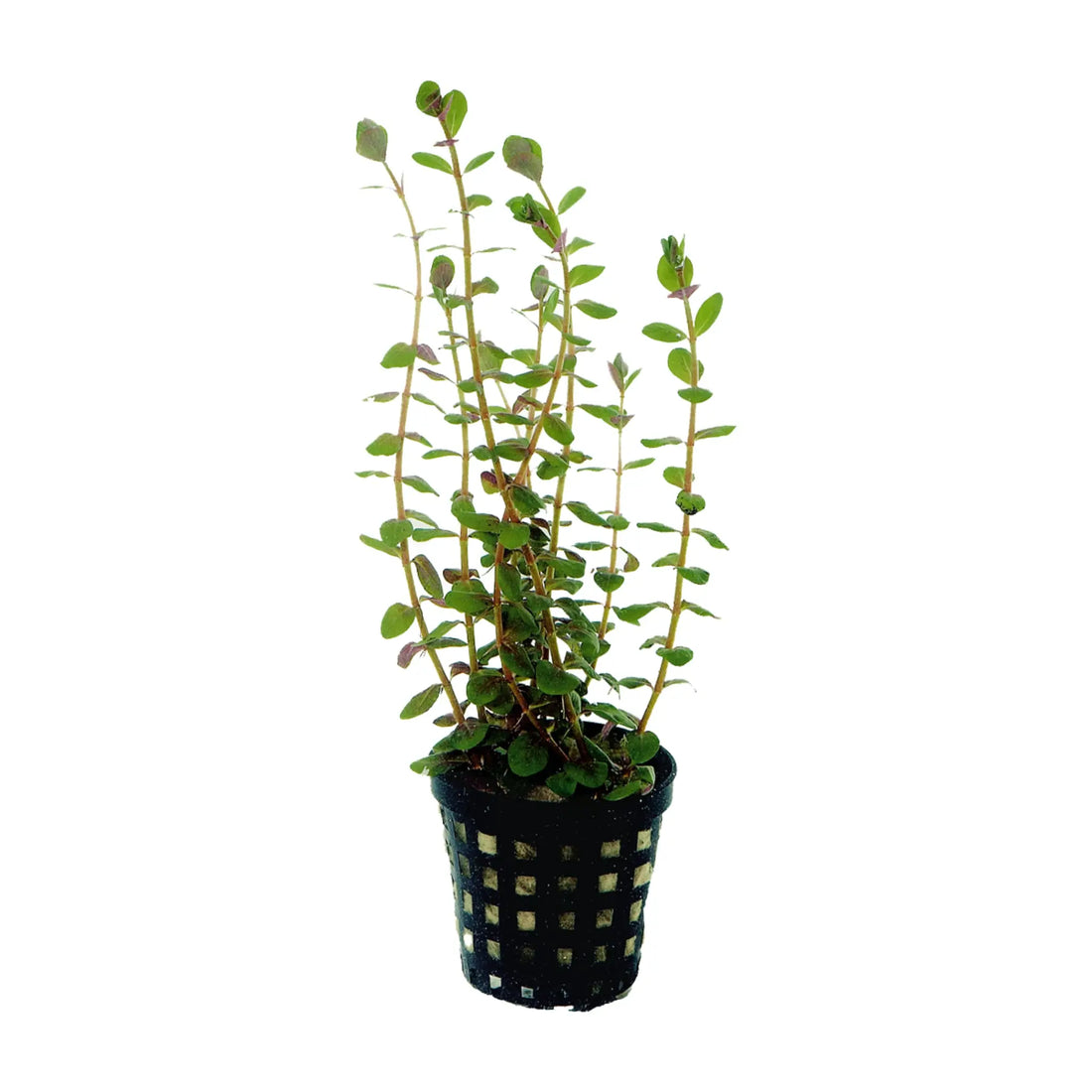
Rotala Wallichii – a versatile plant

This is one of my all time favourite aquatic plants and I’m so pleased that some stock arrived today. Rotala Wallichii is an amazingly versatile plant and I know you will love it as much as me. Originating from South East Asia, it’s a well know plant in the hobby and comes from the Lythraceae family.

It’s not the easiest plant to grow but don’t let that deter you as the plus side to this plant by far out weigh the negative. However I must say that whenever I have grown this plant, I have never found it to be particularly taxing. Rotala Wallichii has very delicate stems and in order for it to stand up right it does need the support of water. The delicate leaves are very attractive and will sway in the current. Give this plant enough light and watch it turn a stunning red colour (in particular the tips). In fact this is probably why some hobbyists find this plant a bit tricky because they use very high lighting in order to change the colour, but then forget to increase their CO2 and fertilisers to suit.

In terms of size, Rotala Wallichii will grow up to about 30cm but I prefer to see it much shorter than this, and treat it like a foreground plant for the best effect. When you trim, you can use cut stems and replant so in no time you will have multiplied this plant. However, I still recommend that you invest in a few pots of this plant at a time to create the desired effect. To make sure this plant really flies (so to speak!) provide CO2 and you will be amazed at the plant growth. The CO2 will also provide the softer water which this plant prefers.

To see our complete range of aquatic plants which all come with a full root structure, please visit our potted plant section on our website.

Microsorium Pteropus Trident

This is a really lovely plant which I wanted to introduce to you. It’s a relatively new plant to us so it felt right to make a short blog post, detailing it so you know a little more about it.

Like all Microsoriums they come from the same family (Polypodiaceae) and all require fairly similar care – this is great news as it’s a straight forward plant to keep. Plant farms don’t need to do very much to grow this plant, and like us, we keep it emerged from water so that only the pot is 3/4 deep in a nutrient rich solution. Lighting is kept to a minimum and if you browse the web (or look at the clip below) you’ll notice that most of the ferns are kept in white tents which let some light through but not a lot. These plants, and many others too like a very humid environment and this helps to keep their leaves nice and green.

Microsorium Pteropus Trident is easy to reproduce – if you split the horizontal rhizome, you’ll create another plant. Incidentally because of the rhizome, this plant must only be tied to wood or rock – if you try and plant it in your substrate you’ll notice it rot quite quickly. The easiest way to tie it to wood or rock is by using Aqua Fine Line. Make sure when you tie it that it’s nice and tight so that it doesn’t float away. As this plant begins to grow you will find black spots under the leaves (you see this in garden ferns too). Don’t be alarmed though, your plant is not ill, what you are seeing are the reproductive organs called sporangia.

The leaf shape makes this plant a very attractive looking specimen. The leaves are elongated and fork off making it similar to the narrow leaf version (but a little nicer in my opinion). Compared to some potted plants, Trident is always a very very full pot so you know you’ll receive plenty of plant for your money :)

In terms of pH, it’s happy in almost anything (5-8) so this is another reason why it should do well in most planted aquariums. If you have fish which enjoy consuming plant matter, they will leave this plant alone (it’s a bit too tough for them…)

There’s little else to say about this plant apart from that it comes with our full recommendation and once you have it in your tank, you’ll love it.

For all our other potted plants, please visit our potted plant section and if you have any questions about this plant or maybe others, ask a question below.

Manzanita Bundles

Manzanita is the most popular wood at the moment and makes for creating the perfect planted aquarium in terms of aquascaping. The reason for this is simple, Manzanita is stylish, creative and steeped in history and every nook and cranny looks incredible. When you look at the wood in close detail, the colours are amazing along with the textures and there’s really nothing quite like it. Aquascaping with it is a breeze and you can transform a new scape into something that looks mature in no time whatsoever.

But one of the hardest aspects of aquascaping is the physical placement of wood and rock. In fact it’s probably harder than growing certain plants themselves as so much technique needs to be used to really ‘nail it’. But don’t dispair as we have an excellent solution…As an online business, he have to take pictures of all the wood we have on the site, otherwise how would you know what you are buying? So it make simply sense for us to take it a step further and actally take a picture of a group of manzanita wood, and we’re calling them bundles. We have carefully selected pieces that work together and would look great in a planted aquarium. We provide dimensions of the shortest and the largest pieces so you get the idea of what the other sizes are like. Manzanita bundles have been really popular so far so now is your chance to take a look at them in a bit more detail – maybe one might catch your eye :)


If you’re looking to be a little more creative,you could always try placing a few pieces of mini landscape rocks at the bottom of the wood. Not only does this improve the transition between the two, but is also helps to anchor down any pieces that want to float.

For all our other pieces of manzanita, click on this link.

AE Design Aqua Nourish and Aqua Nourish+

It’s easy to get confused with the sheer number of different fertilisers on the market these days but a question that we are often asked is what is the difference between AE Design Aqua Nourish and Aqua Nourish+. So the purpose of this blog post is to explain what they are, why they are needed and why you sometimes need both. But first a little background to aquatic plants.

All aquatic plants need nutrients of some sort. Now we’re not talking about your bog standard plants like Vallis (which survive on almost nothing), but the decorative potted plants that you see on our website. The one’s that look nice and have wonderful shapes and colours. In order to ensure these plants survive, nutrients need to be given and these come in the form of a liquid that should be dosed daily (not weekly). They need daily dosage because that is what your plants need, regular steady nutrients being fed to them. In a heavily planted aquarium, the nutrient uptake of your plants could be quite high, particularly if you are using CO2. Failure to provide your plants what they want is always demonstrated perfectly in a planted aquarium – ALGAE. If you have algae in your aquarium, it’s probably down to a lack of fertilisers or CO2.

If you are running what is commonly described as a low tech planted aquarium, this generally means that you keeping relatively undemanding plants without CO2. These plants still need to be fed, but only Trace elements as your tap water contains macro nutrients already. What are macro nutrients?

Nitrate, Phosphate and Potassium

Macro nutrients are the fundamental building blocks that no aquatic plants can survive without. But for low tech tanks which use tap water, you still need to fertilise and for this we recommend AE Design Aqua Nourish. This liquid provides all the trace elements your aquatic plants need and is to be dosed daily (don’t forget, plants use nutrients daily, therefore you should dose daily). So now you know what AE Design Aqua Nourish is for, but what about the + version?

When using CO2 in a planted aquarium, nutrient uptake is very fast. In fact so fast hobbyists often get caught out and algae quickly takes hold. Because this uptake is so quick, you need to ensure you provide these nutrients via a liquid form and for this you need AE Design Aqua Nourish+. This is a macro nutrient solution that provides the key nutrients that plants need in order to grow and flourish. In addition to this you have to provide the trace elements (Aqua Nourish). By using these two in conjunction, your plants will grow quickly and healthily.

So to summerise, Aqua Nourish can be used on its own if you are running a low tech planted aquarium. Low tech means undemanding plants and no CO2.If you are using CO2, then your plants use nutrients fast so you need to use Aqua Nourish for the trace elements and Aqua Nourish+ for the macro nutrients. They are always dosed daily and by following this routine your plants will flourish.

We provide these nutrients in a wide range of sizes, 250, 500, 1000, 2000 and 4000ml bottles.

Any questions? Please ask – we love to answer them.

Trace element fertilisers for planted aquariums

Supersized Driftwood for planted aquariums

If you have a large aquarium you may find it difficult to source decent pieces of driftwood to create that special aquascape. It’s hard finding pieces that fit your particular tank, maybe because most pieces just don’t look very nice.

We are now stocking very large pieces that we are calling Supersized because they are ideal for large tanks – those which are 200L and over. The pieces are very special with wonderful shapes. Many have pockets in which you could place aquatic soil such as Florabase and then put a plant straight in. You can also tie moss to it very easily.

We recommend with all large pieces of wood that you soak them in a large bucket for at least a week. The reason for this is because of the tannins that will come from it. Now if you don’t mind water that turns a tea colour, then no need to soak, but if you do prefer a tank that is clear, then stick the wood outside soaking for as long as you can. Tannins will only come out for so long, and then it’s fine to put it into your aquarium. Saying that, there’s no harm in putting it straight into your tank and all our wood has been cleaned and is safe for immediate use.

The benefits of using driftwood in a planted aquarium are that it creates immediate impact – something that a plant only tank often misses. it also provides a centre point and your eye will naturally be drawn to it. Fish and shrimp seem to appreciate it too and in no time will shrimp be crawling all over it eating and cleaning as they go.

Fluval CO2 Bubble Counter

Since Fluval finally embraced the world of CO2, things are definitely looking up and customers have never had such a wide range of products to choose from. Sometimes too much maybe!! Either way, it is great to have choice but at the same time with such selection you can miss products so thought I should mention one you may be interested in called the Fluval CO2 Bubble Counter.

This counter is neatly designed, made of solid plastic and like all the latest Fluval products comes in delightful packaging that is very eye catching. It’s very easy to use and by filling your bubble counter with ordinary tap water you can soon check and easily read how many bubbles per minute your CO2 is flowing at.

The connection pieces are at the top of the bubble counter which are easily secured on which means that even under high pressure, your CO2 tubing won’t pop off. You can use this bubble counter with any type of CO2 system which makes it rather versatile and the added benefit is that being made of durable plastic, you won’t break it.

If you are interested in other types of CO2 bubble counters please see here.

Giesemann T5 Powerchrome

If you’re a serious hobbyist who appreciates quality products for your planted aquarium then the Giesemann T5 Powerchrome range of lamps are just the ticket for you. Giesemann, for those of you not familiar with the brand are German with a phenomenal reputation for quality and these lights will not disappoint. We supply two different types which emit different lights colours – this is the primary difference between the two.

Aquaflora – a perfect lamp for increasing plant growth in your aquarium. These lamps emit colours which not only highlight the colours of your fish but also the plants. The brightness of these lamps is incredible and as soon as you place them in your aquarium, you will notice a big difference immediately. Plants which haven’t pearled before may suddenly pearl if you are using CO2.

Midday – A stunning 6000k lamp which produces a very natural light. Easy on the eye, this lamp is specifically designed for plant growth and similar to the Aquaflora, once installed you will be amazed at how bright the lamp in.

Should I mix the lamps? We recommend if you have 2 T5s lamps you should use 1 x Midday and 1 x Aquaflora for the best effect in bringing out colours of your fish and plants, along with incredible plant growth.

How often should I replace them? Like all lamps their output decreases from the minute you turn them on. A typical life span of a T5 lamp for a planted aquarium is 12 months – you may think that there is no difference in the output but there is. Without a light meter you would never know this. To the naked eye, you wouldn’t notice any difference either particularly as you look at your aquarium every day so any light decrease happens very gradually and is subtle. The difference is your plants will notice a big difference and if you looked at a new tube compared to one which is 12 months old, then you would see how one has aged. So if you change every 12 months, your plants remain happy and continue to grow as expected. Slow plant growth can be attributed to limited light output.

I’ve heard I shouldn’t change all my lamps together – is this true? Absolutely, and for the reasons mentioned above, lights deteriorate over time. If you replace all your lamps together the new lamps will be much brighter than the old one’s and this can stimulate algae growth as your plants will have adjusted to the old light levels over time. So when it comes to changing them, replace them one month apart to avoid mjaor disruption and algae outbreaks.

Can I use these T5s on my set up? Providing you are already using T5s then yes. Make sure you use lamps of the same length and you’ll be fine.

The best T5s on the market...

Manzanita Wood – XL

We’ve been really lucky today as we received the largest pieces of Manzanita wood we have ever seen. Normally we’re not asked for the really big pieces because most people have smallish tanks and as a result don’t need large pieces. However today 8 or 9 really big pieces arrived and most of them are over 100cm long!

So what makes these pieces so great?

For starters, the quality of the wood is superb along with the colouring and texture – this is what makes it unique. Along with this is the colour and the curves and shapes – you won’t find anything in the UK like this (which is why we import it). If you’re looking to create an aquascape where the wood pierces through the top of the aquarium, and creates a look similar to an ADA aquarium, then Manzanita wood (or manzy as some call it) may be the wood you are looking for.

These pieces won’t last long though, but you can see the range here.


Shrimp Shelters

We’re a big fan of shrimp at Aqua Essentials and we’re now stocking some of the smallest and neatest shrimp shelters ever. These will keep your shrimp happy and safe too.

We often hear people who have purchased shrimp from us that they can’t seem to see where their shrimp go and wonder if they have just ‘disappeared’. The fact is shrimp will hide if they feel insecure and stocking shrimp with fish can make them feel very insecure – after all they are part of the food chain. However if you invest in a shrimp shelter, for very little cost you can protect your shrimp and ensure they are happy as soon as they land in your aquarium.

Not only that but these neat shrimp shelters look even better if you tie some moss around them and before you know it, you will have created their own little home :)

Holiday Time

I know I know, it’s crazy that we have holidays too – who would have thought ;)

So for the first time since we started in 2004, we thought it was easier if we got staff holidays done at once. This means that from 9th-16th September we will not be shipping any orders, we won’t be answering any emails, and we won’t be picking up the phone.

So we’ll come back from our holiday, all fresh faced and bushy tailed (if you know what I mean) and continue to give you the service that you have grown to know and love at Aqua Essentials.

We thank you for your understanding at this time :)

Pagoda Rock – great for planted aquariums

Pagoda Rock can be summed up in one word – excellent. It’s a highly unusual but very attractive rock which in my opinion is particularly suited for planted aquariums. The texture is unusual with the layering which takes place within it making it look like over the years, day by day, a thin layer has been added leaving you with a rock which looks…old.

One of the biggest difficulties when choosing decor for a planted aquarium is to select rocks which give the aquarium maturity. Choose rocks which aren’t aged, and it can throw the whole scape off immediately. Want to know what they look like in a planted aquarium? This is how Mark Evans uses it…

Look closely at it and you can see the detail – this is a fantastic feature. Pagoda Rock is versatile, easy to scape and looks terrific in a planted aquarium as I am sure you will agree. One question I am regularly asked is rock and pH, and my answer is nearly always the same. It may effect your water parameters a little but certainly nothing to be worried about, especially if you are using CO2.

So why not treat yourself today with this terrific rock. If you’re wondering what 10kgs of rock looks like…

And to top it all off, if you invest in 10kgs, you also qualify for the cheaper price of £30. The other benefit of investing in 10kgs or more of rock is choice – you literally have so much more to play with and the end result always means a better looking aquascape.

Reducing Nitrite in Freshwater Shrimp Tank

Nitrite in a freshwater shrimp tank only equals one thing – problem. Shrimp are almost intolerant of any nitrite and if your levels do suddenly rise you can tell by observing them – shrimp tend to sit still and stop feeding when unhappy – some may die within 24 hours.  When shrimp stop feeding you know they’re in trouble and this is their ‘alarm bell’ ringing. To make matters worse, large water changes are not an option as shrimp cannot tolerate that either so it would appear there are not many choices left! Until now…

Genchem Biozyme is a brilliant product that reduces ammonia and nitrite instantly without the need of any water change. But like most Genchem products they have a two fold effect. The other added benefit is Biozyme will improve the metebolic digestive system of your shrimp and baby shrimp can also consume it!

It doesn’t get better than that :)

See our the Genchem range here.

How We Hold Our Aquatic Plants

As you know we’re a serious shop which specialises in the planted aquarium – a life long passion of ours. Plants as you might expect are very important to us and have always intrigued us due to the variety and the types of species available. But there are lots of other plants retailers in the UK, admittedly they’re not specialists, but they ‘hold’ plants. The definition of ‘holding’ plants varies enormously and you may have visited these shops before, a metal halide on the ceiling and lots dead or poor quality plants floating about. Some are much better (not many) but you get the idea.

We’re in business because we love what we do and strive to be the best. So why do some aquatic shops not look after their plants and why don’t they care? They lose money every time a plant dies but for some reason this makes no difference. Even in the current economic climate few retailers are able to hold plants for longer than one week without them deteriorating or dying – the end result means chucking them straight in the bin. Of course the question should why are they not worried about throwing away money and why are they holding their plants in a tank anyway with no CO2 and fertilisers anyway? Because they don’t really care….

It is perfectly feasible to keep plants looking great in aquariums, providing you know what you are doing, but there is also a better way. Have you ever wondered how Tropica and Aquafleur keep and grow their plants?  The answer is hydroponically – it’s much easier. But shops will not embrace this way which is a shame as they would have so much more success, and if they really loved their plants they would care.

I find this really sad because I love plants and want to make sure they look their best at all times, particularly as they will be sent in the post and customers rightly have even higher expectations of plant quality when they are buying online – because you can’t see the exact plant you will receive. Some shops will take advantage of this situation and maybe send a plant which shouldn’t be posted in the hope that the customer won’t be bothered to complain but we’re different. You expect the best and when shopping with Aqua Essentials, and that is exactly what you receive, the best. So how do we achieve and maintain this standard? The answer is a simple one, and incredibly no other shop in the UK, holds aquatic plants like we do. That’s right, no other shops in the UK, and possibly in the world. Intrigued? Read on…

We spoke to the growers of Aquafleur and Tropica plants and asked about their systems. We wanted to know all about humidity, temperature, air movement, nutrients and so on but the biggest question was how to replicate their conditions in our own warehouse. Because if we are serious about plants, which we are, why wouldn’t we want to keep plants the same way as the growers? Makes sense doesn’t it?

After taking on their advice, we invested in a climate controlled environment in which all plants are held hydroponically. This means that the pots are kept in nutrient rich water but the leaves are kept out of the water. The humidity is high, so we invested in equipment that creates humidity. We also needed to make sure that there is plenty of air movement so intake and extraction fans are used – this makes sure plants receive fresh air and oxygen. Temperature has to be specific for aquatic plants so, we’ve invested in equipment that maintains a specific temperature at all times. But the message is not what we have invested in, it’s the dedication we make to ensure your plants (which is essentially what they are) are kept in the very best condition. Our plants don’t have algae, they don’t have snails but do have the strength to survive in the post for incredibly long periods of time because we have replicated as close as possible the growing conditions of the plant farms we buy from.

We want you to feel safe and secure that you’re buying the best. We’re proud to be the first aquatic retailer that has replicated plant farms in Europe and we wanted to share this news with you. In the future we will be holding at least 3 times the amount of plants we currently stock which is pretty exciting – this means you’ll be able to get a wider range from us along with better stock levels meaning if you have an idea for a planted tank and specific plants, odds are you’ll be able to get them from us and know that they are being held in the very best environment, just like the growers.

If you have any questions about the way we hold aquatic plants, ask a question on this blog :)

Shipping Freshwater Shrimp

We love our shrimp at Aqua Essentials and when we send them in the post we make sure they are healthy, lively and of a certain size. What most people are surprised at is what size shrimp should be sent in the post and why.

When we send ours, we don’t look to send adults. We aim to send juveniles and the reason for this is very simple. Smaller shrimp are far more adaptable that larger shrimp. Think of it this way – imagine a shrimp which has spent all of its life in one aquarium. This could make it roughly 2 years old. Then compare it to a younger shrimp that is still growing and may have only been alive for 5 months – which do you think will be more adaptable?

The answer is a juvenile shrimp.

So if you purchase shrimp from us (and we hope you do!) expect shrimp of about 10mm is size or so. This means your shrimp will travel better to their destination and then adapt much more easily into their new home.

For our range of freshwater shrimp please click here.

Freshwater Shrimp Molting

If you keep freshwater shrimp (and many of you do) you will have seen shrimp exoskeletons which are the shell of a shrimp. Molting is necessary for shrimp to grow and during this process, they can be very vulnerable. Their new ‘skin’ is relatively soft and therefore after they have shed their skin, they tend to hide for 48-72 hours so that they can allow their shell to harden up. Depending on how much the shrimp is eating there is a direct correlation between number of molts and food eaten.

However, not all molts go to plan. It is still very common for freshwater shrimp to die in a an aquarium when trying to molt and this can be for a variety of reasons but predominantly bacterial disease. The shrimp will attempt to molt but will not be able to shed its skin and it therefore becomes trapped and dies. Many hobbyists have often wondered about how this happens and why and chose to feed a wider range of foods to overcome the problem but it still didn’t have the effect hoped for. This can be easily overcome thanks to a wonderful new product…

Genchem Beta-G which is a unique powder that should be added to your shrimp tank every week. This will stop any molting problems in the future enabling your freshwater shrimp to grow at the speed they wish without any risks.

Economical too, you only need to use 1/5th of a spoon which comes with Genchem Beta-G, so expect this product to last a couple of years :)

Freshwater Shrimp Food

When keeping freshwater shrimp, it’s essential that you feed them food that is appropriate for them. Shrimp (unlike humans) are not content with eating 2-3 meals a day – in fact they are quite the opposite and graze constantly. As soon as they have finished what they are eating, they’re off to find more food. Ultimately this is what makes them ideal for use in the planted aquarium where algae can often be found.

With many tanks though, there isn’t enough algae to keep them sustained particularly if your breeding colony of shrimp in increasing in numbers and as a result you have to supplement their diet. This is a good idea anyway as algae is OK for them, but it doesn’t contain everything they need.

Genchem Biomax is a unique shrimp food in the respect that it has been designed for 3 different sized shrimp.

Size 1 is suitable for baby shrimp as the pellet size is very small and can be handled easily by these young shrimp. It’s really important to feed baby shrimp more regularly than adult shrimp, especially when they are very young. If they do not have sufficient food regularly then can easily die. Don’t over feed this product but underfeed either.

Size 2 is suitable for juvenile shrimp – I would consider these 4-8mm in size. The pellet size of this food is larger than Size 1 and as a result is more attractive to shrimp of an appropriate size.

Size 3 is for adult shrimp – this food is the largest out of all 3 and ideal for shrimp of 10mm and upwards. This food contains selected nutrients which will also encourage breeding.

By using all 3 sizes of Genchem Biomax in your shrimp tank you will ensure that all of your shrimp feed on appropriateate sized food and also get the best nutrition.

Improving White Banding On Crystal Red Shrimp

If you’re passionate about Crystal Red Shrimp (CRS) like us then you know all about banding and how the clearer the white banding is on the shrimp, and the fuller it is, the higher grade your CRS. Genetics play an important role within CRS and the better genes the parents have the higher the chance of having CRS with quality banding. But if your CRS doesn’t look quite as good as you hoped it to, is there anything that can be done?

You can help those ‘genes’ by providing an excellent diet in particular Genchem White Pellet which is a shrimp specific food designed for improving banding. We’ve been using this food for about 2 weeks now and have been very pleased with improvements so far. The white banding on our CRS is clearly more defined and it seems thicker and fuller. The CRS take readily to it as well, almost as if they know it’s going to improve their colour :)

Like all Genchem products they have more than one function and in this case by feeding Genchem White Pellet, it will help improve moulting.So this double fold effect is a win win. Your shrimps will improve in colour and the moulting is easier.

Saving Young Freshwater Shrimp

Shrimp breeding is on the whole pretty easy stuff. Give them the right sort of water parameters (by using a substrate), some time and plenty of high quality shrimp food and before you know it, your shrimp are pregnant, holding roughly 50 babies underneath them. They are wafted with O2 all day until they are ready to be released into your aquarium.

That day comes and it’s hard to see the shrimps as they are so small but what’s really sad is that the majority of these shrimp will not make it into adulthood for one simple reason – they won’t consume enough food as their immune system is not strong enough.

With a low immune system, young shrimp can become very weak, very quickly and as a result perish as they don’t have enough energy to eat. This doesn’t need to be the case anymore if you introduce Genchem Polytase. This simple and effective powder is designed to be dosed once a week and by doing this it strengthens their immune system enough for the young shrimp to pull through. You’ll be amazed and how many more shrimplets you see in your aquarium in a very short period of time.

You can use Genchem Polytase with any type of shrimp which you are looking to breed. Not only that but if you ever have nitrite or ammonia in your tank this product will also help reduce it. So it really does have a 2 fold effect.

For more freshwater shrimp products please click on this link.


Ammonia In Fish Tank

Ammonia in a planted aquarium can be a common problem especially if your tank is new or if you have upset the substrate in some way – you may have over fed your fish too as that can cause a spike. For the first few weeks of a tank cycle you may well see some Ammonia present in your tank water. Assuming you have no fish in your tank (which you shouldn’t do as the first fish should go in after 6 weeks), there’s no need to worry. Just let the nitrogen cycle take it’s natural course and your ammonia will disappear after it converts to nitrite and then nitrogen (which is harmless). But what about those of you who have put fish in too early or for some other reason like over feeding or disturbing your substrate and you have ammonia? Follow the steps below and you can’t go far wrong:

Step 1 – act fast. Ammonia is the number one killer of fresh and coldwater fish. If  ammonia is present your fish won’t last long. The reason why ammonia is so toxic is that it works by binding directly onto the oxygen particles in your water, so essentially it starves your fish of oxygen so when they breath, they’re gasping for oxygen. This is why their gills are pumping.

Step 2 – Use Seachem Amguard immediately. This is an excellent product which will bind the ammonia and render it harmless meaning that your fish will not suffer. Oxygen is then freed up so your fish can breath normally.

Step 3 – Use Seachem Stablity. Another excellent product which helps to convert the ammonia into nitrite and then nitrate (end goal) quicker than any other product on the market. Use this at the same time as Seachem Amguard for best results.

Step 4 – Monitor your ammonia using Seachem Ammonia Alert. This is a permanent test that you place on the inside of your aquarium and it reads your ammonia levels 24/7. Therefore there will be no question of doubt if you have the toxic ammonia or not.

Once you follow these steps you can relax and your fish will be happy. Don’t forget that we offer Express Delivery so if you need your goods fast then we offer a next day delivery service.

detoxifies ammonia in fish tanks fast

Flow Rate In A Large Planted Aquarium

With a high emphasis on flow rate in a planted aquarium I found this latest video which Mark Evans shot, very interesting.

The general idea is that you filter 10 times the tank volume of water per hour so if your tank is 100L, you would look to have a filter that filters 1000L per hour. Fairly straight forward right? But in a larger aquarium is this necessary? I always thought it was until today. Mark’s aquarium is large, 363L. Previous calculations would mean the filter/s would need to move 3630L per hour but it’s quite a lot less this time and the flow rate is 2600lp/h and as you can see from the results, it’s pretty incredible. Flow rate is much slower but with no negative impact.

Interestingly enough the CO2 is also fed into the external filter via the inlet and the results mean that you don’t have thousands of tiny bubbles floating around the tank. The diffuser is an UP 16mm Inline Diffuser – in the past these have always been plumed in on the outlet but I do like the idea of not having to look at all the bubbles…

A lot of people ask where they should place their powerheads or filter outlets in order to get the right sort of water movement and as you can see from the clip, a large spraybar is positioned which pushes the water across the tank and at the opposite side is a lily pipe positioned very close to the water surface. Now I’m not sure if this is to keep the surface polished or if it’s another reason. Maybe if Mark reads this post he could enlighten us :) What I do like to see is some water movement at the surface and it’s clear that there is a gentle ripple – this makes the water shimmer a little too along with the help of his metal halide lighting. In the past hobbyists were keen on maximum Co2 absorption and kept the surface almost still which caused nothing but problems. Dust would build up very quickly and then this could turn green blocking off light.

I also like his positioning of the drop checker. Right under the spray bar – odds are he won’t have a great deal of flow around there so if the drop checker is green there, you can bet it’s bang on for the rest of the aquarium.

All in all, you can see Mark does things a little differently to most hobbyists and this is why he gets such super results. He tries, experiments and learns and his skills are getting better and better all the time.

I would love to hear what other people think of his tank and also where they position their drop checker.

The Planted Aquarium Market Today…

I thought I would write a post from a different angle in order to stimulate more responses from hobbyists. I used to be an avid aquascaper, producing aquascapes regularly in order to improve my skills. Today I have a lot less time to be aquascaping even though that is what my business revolves around (kind of ironic isn’t it?!). Most of my time is taken up dealing with the everyday running of the business, providing advice and assistance to customers and ordering goods, sourcing new products etc. But I’m trying to make a bit more time in my day so I can dip my arm back into the water and start scaping. I’ve even got a brand new ADA tank and cabinet which sits empty and looks very sad at the moment…

But the point of this post is to reach out to you guys and find out what you think of the planted aquarium market today. Recently the International Aquascaping Contest took place where hobbyists from around the world were invited to send in pictures of their planted aquariums in order for them to be judged and compared to other competitors. Now this is always a great competition and the standard continues to rise every year. I rarely agree with the winners and often think many of the lower ranked scapes are much better but, beauty is in the eye of the beholder (something for another blog post…). But what really got me about the results was the number of British scapers who submitted their aquascapes and were listed in the top 1000 – I could count them on one hand and found that actually quite sad (in a melancholic way). So I’ve been racking my brains thinking about and wondering why more UK scapers don’t actually scape. Perhaps it’s one of the below:

  • Lack of confidence
  • Lack of skill
  • Lack of inclination
  • Lack of time
  • Lack of money

Is it any of these or is it something else? What I do know is that aquascaping skills are not sufficient and photography skills need to be right at the top too if you’re going to win any decent prize. Have a look at top UK Scaper Mark Evans – some of this tanks are truly incredible and he won the top British award. Check this out:

A truly incredible position and rightly deserved too. Mark’s photography skill is as impressive as his aquasapes and this helps to enhance his scapes. If his photography skills were not where they were today (and lets say he had a poor quality camera), I wonder how this would have effected his aquascaping? Maybe he would have been forced to discover the art of photography in order to pursue his passion of planted aquarium and maybe that’s what more people need to do in the UK…?  Camera technology improves all the time and the price comes down but sometimes if you see the lights and camera equipment involved that Mark uses, it can look rather daunting.

So I asked this same question on Twitter and @pfkeditor tweeted back – Brits like to critise and not get involved. I think there’s a lot of truth in that and wondered if that would ever change. In order for us to improve as a nation we have to be more encouraging and less critical. Yes it’s easy to criticise particularly sat on your sofa with the laptop next to you. But this isn’t helping our unique hobby and we need to be more encouraging to everyone, let people make mistakes and we can all learn together. Lets face it you don’t even need that much money to get you going either. You can buy a small tank and maybe 6-7 pots of aquarium plants, lighting, filtration and a CO2 set and you’re away. What you do need is drive and determination because if you’re going to make a go of it, you’ll need lots of drive, you’ll have to be able to take criticism and move on.

I would really love to hear what you guys think about this subject. What is is that holds you back. What would make you consider entering competitions and why do you think other hobbyists are a little camera shy?

Heating Aquariums – Go Inline…

I thought I would touch upon a post that one of our contributors Luis made when he wrote about heaters for planted aquariums. They’re an essential price of equipment and something that you really need to rely on too. After investing in a lot of your hard earned cash on aquatic plants and fish the last thing you want is your heater to let you down. So first you have to invest in a quality heater. That’s easy and this particular blog is about the Hydor External Heater - a quality Italian product made with a patent that is brilliant.

The Hydor External Heaters as you’ve probably guessed sits on your external piping so after the water has passed through the filter, it then runs through the heater and back into your aquarium (see image below).

They’re not the smallest heater in the world by any stretch at approximately 30cm x 6cm x 8cm but they are the only external heater that I have ever seen. With Nature Aquariums, keeping as much equipment out of the tank is the goal and this products is perfect in that respect. Years ago, heaters were always on the inside and you had to try and hide them behind plants or other equipment but no longer is this the case.

Where should you place it?

You can fit your heater anywhere on the outflow pipe of your external filter piping. When fitting it, try and keep it in your carbinet – this ensures everything looks neat and tidy and also if you ever spilt water from your aquarium, it wouldn’t get wet.

So it all sounds pretty good right? What’s the catch?

Well there’s not really any catch. They do need to be kept at a minimum angle of 45 degrees due to the heating element inside (which is where the secret lies). If you try and run the heater at 90 degrees the unit will over heat and then stop working – this is where stories on the internet have popped up and hobbyists have kept them lying down. If you keep it at a minimum of 45 degree you won’t have an issue. Ideally you want it vertical – this is the best way to heat your water up as it stays in contact with the heating element for longer and therefore keeps your water at a more stable temperature.

Accuracy

The Hydor External Heaters are the most accurate out of all heaters on the market. You can set the temperature to half a degrees accuracy. Perfect for anyone who specifically wants a certain temperature.

What size piping?

There are three models available today. 12mm 200w, 12mm 300w, 16mm 300w. All operate in the same way and dimension wise almost the same.

If you have found this post useful, perhaps you could tweet this post or maybe share it on Facebook. And if you have any questions, just hit the reply button.

Curved Scissors For Planted Aquariums

I stumbled across a superb video that really demonstrates why certain types of scissors are better than others in the planted aquarium and this YouTube clip is a great example.

The scissors that are used in this clip look very similar to the Easy Aqua Curved Scissors. Notice that they are not actually curved but are more angled which I think is more effective anyway. Here’s a few points to consider when investing in scissors:

  1. First you need to make sure they are made of stainless steel otherwise they will become rusty very quickly and won’t operate as you want. Rusty scissors need to be discarded and you don’t want to put them into your aquarium.
  2. They need to be sharp. Poor quality scissors are often cheap to buy in the first place but also need to be replaced quickly (false economy). They become blunt and simply bend when you try to cut a thicker stem.
  3. They need to be comfortable in your hand – you may be using them a lot in a CO2 infused planted aquarium. Better to invest in a quality pair if this is a concern.

Apart from that there’s not really too much more to write about the subject. If you want the same style as was used in the YouTube clip then the Easy Aqua Curved Scissors are the pair for you.

Scissors for the planted aquarium

CO2 Bubble Counter

Bubble counters play an important role when you’re running a CO2 infused planted aquarium and for good reason too. It’s a great way of knowing how much CO2 you are pumping into your aquarium.Of course we still suggested drop checkers with bromo blue are the ultimate solution for understanding CO2 levels, but bubble counters still play an important role.

But like so many things these days you have lots of choice so which is the best?

The answer really depends on what you are running – are you pressurised or are you using yeast to produce your CO2? If you’re using the latter then you can probably stick with the bubble counter that came with your CO2 set but if you’re running pressurised then consider the Easy Aqua Bubble Counter & Check Valve. Pressurised systems which operate with 2 bar pressure place a lot of strain on equipment which is manufactured to lower quality levels. Non return valves for example will easily pop off their CO2 tubing or just not functions as they should and can leak (normally when you’re not at home…). At the opposite end of the spectrum with quality equipment you know it will do the job which it should. The Easy Aqua Bubble Counter & Check Valve falls into the category of quality. It allows CO2 tubing to be attached securely to the bubble counter and the screw ends make sure that there is no way that the tubing will pop off. So it offers piece of mind more than anything else. In addition, because the non return valve is immediately below the bubble counter there is less water lost over time. It’s common for water to migrate south with bubble counters but this isn’t possible with the Easy Aqua Bubble Counter & Check Valve.

How to fill it up?

Filling this unit is simple and we recommend using normal tap water. All you need to do is undo the top piece and hold it under your tap until the clear section fills up (fill it all the way up). Once you’re done, keep it upright then attach your CO2 tubing onto the unit, then onto your CO2 diffuser.

Final Perk

The final benefit of the Easy Aqua Bubble Counter & Check Valve is that you can attach CO2 tubing onto it without the risk of damage. Glass units can break easily especially under pressure but you won’t have this concern here. For the above reasons we have great confidence in recommending the Easy Aqua Bubble Counter & Check Valve and it can be used in any pressurised CO2 system without any problems.

If you find this blog post, why not post a link on Twitter or your Facebook page?

Three aquarium items that you should not get second hand

With the economic downturn we are all looking for savings to be made, but there are a couple of things to keep in mind.

One is that looking for savings is a good move, the other is that cutting corners where it involves safety is not.

Below I list three items that you should get brand new, they usually go wrong quickly and have a high fail rate.

Heater

Why shouldn’t you get an aquarium heater second hand? With so many offers online for second hand items, the aquarium heater is one that you should get new. Many aquarium heaters fail, either they get stuck on the one position or they fail to heat up the water. Both will kill all your livestock.

Many fish keepers spend hundreds if not thousands on their tank, on substrate, lights, rocks, fish, etc, yet many people do not think twice about buying a heater second hand.

Aquarium water treatment or conditioners

Do you actually know what is inside a open bottle? Would you buy juice from a shop if the bottle was already open? Same with aquarium products. Don’t bother with half used bottles. First many products have a use by date from the date they were open, and you do not know when they were open, secondly you do not know what else is mixed on it, and last the savings you may made will not matter if something goes wrong. Buy from a reputable shop and have peace of mind.

External Filters

Many filters rubber rings have a usable life, same as it happens to your car, many items wear off after a while, and they need to be replaced. Would you like to come home and have half the tank water on the sitting room floor?

Which CO2 Diffuser?

There are so many diffusers on the market these days it’s probably a hard decision as to which one you should use. The problem is there’s not a great deal between them so this makes your decision even harder. So I’ve decided to focus on just one – it looks great and functions well too and it’s called the AE Design 150L Spiral Glass CO2 Diffuser.

What’s special about this product?

Delightfully manufactured it looks super in the flesh. The ceramic plate is about 2cm wide and made of sufficient quality to allow for small CO2 bubbles to pass through and then circulate around the aquarium. The overall height is about 10cm. What really works well for this product is the spiral which always captures hobbyists eyes. The CO2 bubbles pass from your regulator into the diffuser and then pass up through the glass spiral and this in itself becomes mesmerizing.  It’s hard to take your eyes off it…

As you can see, because of the spiral, it doubles up as a bubble counter which means you need one less piece of equipment. This glass diffuser is suitable for aquariums up to 150L but if your tank was a little larger, I don’t think it would cause a problem. Similarly if you have a smaller aquarium and are particularly fond of the spiral (it is nice isn’t it) then you could still use this diffuser. Remember the lower the pressure on your regulator, the less bubbles come out of a ceramic plate. The higher the pressure and bubbles come out of them everywhere.

Keeping diffusers clean:

Cleaning glass diffusers is easy – algae builds up on the plate every couple of weeks so to keep them fresh, soak them in a neat bleach solution over night, and then in the morning give them a thorough rinse under tap water for about a minute making sure it’s nice and clean (and bleach free).

For our range of diffusers, follow this link.

Flow Rate In A Planted Aquarium

I’ve written about this before and no doubt I will continue to write about it in the future. Flow rate in a CO2 infused aquarium needs to be high – it has to be in order to move around the fertilisers and CO2. What you want to see is your plants moving, swaying in the flow and if they are all doing that, then you’ve probably nailed it. But actions speak better than words. Check this short YouTube clip out by Mark Evans – notice the powerful flow rate and also the excellent plant growth (the fertiliser he uses is Tropica Plant Nutrition+)

What’s the flow rate like in your planted aquarium? Anything like Mark’s?